{ "@context": "https://schema.org", "@type": "FAQPage", "mainEntity": [ { "@type": "Question", "name": "Does SEO really work for small local auto repair shops?", "acceptedAnswer": { "@type": "Answer", "text": "Yes. Local SEO works especially well for auto repair businesses because customers search with clear intent and location. A properly structured website helps Google match your services to nearby searches and brings consistent service requests." } }, { "@type": "Question", "name": "Why doesn’t my car repair website rank even though I have content?", "acceptedAnswer": { "@type": "Answer", "text": "Most car repair websites fail to rank because services are not clearly separated, location signals are weak, and pages try to target too many things at once. SEO depends more on structure and clarity than on the amount of content." } }, { "@type": "Question", "name": "Do I need a separate page for each car repair service?", "acceptedAnswer": { "@type": "Answer", "text": "Yes. Google ranks pages based on specific intent. Dedicated service pages help search engines understand what you offer and help customers quickly find the service they need, which improves both rankings and conversions." } }, { "@type": "Question", "name": "Is technical SEO more important than website structure?", "acceptedAnswer": { "@type": "Answer", "text": "No. Technical SEO supports performance, but it cannot fix unclear services or poor page structure. Most ranking issues for auto repair websites come from structural problems, not speed or plugins." } }, { "@type": "Question", "name": "Can I improve SEO without rebuilding my entire website?", "acceptedAnswer": { "@type": "Answer", "text": "In some cases, yes. But many auto repair websites are built on weak foundations, which makes fixing SEO slow and expensive. Using a ready-made structure like Motorium is often faster and more reliable than rebuilding everything piece by piece." } } ] }

December 25, 2025

December 25, 2025

Car Repair Website SEO: How Shops Get Local Customers

Car Repair Website SEO: How Shops Get Local Customers

Most car repair websites struggle with SEO because their structure makes it hard for Google and local customers to clearly understand the services offered, so this guide explains how auto repair websites attract local search traffic and convert it into real service requests.

Most car repair websites struggle with SEO because their structure makes it hard for Google and local customers to clearly understand the services offered, so this guide explains how auto repair websites attract local search traffic and convert it into real service requests.

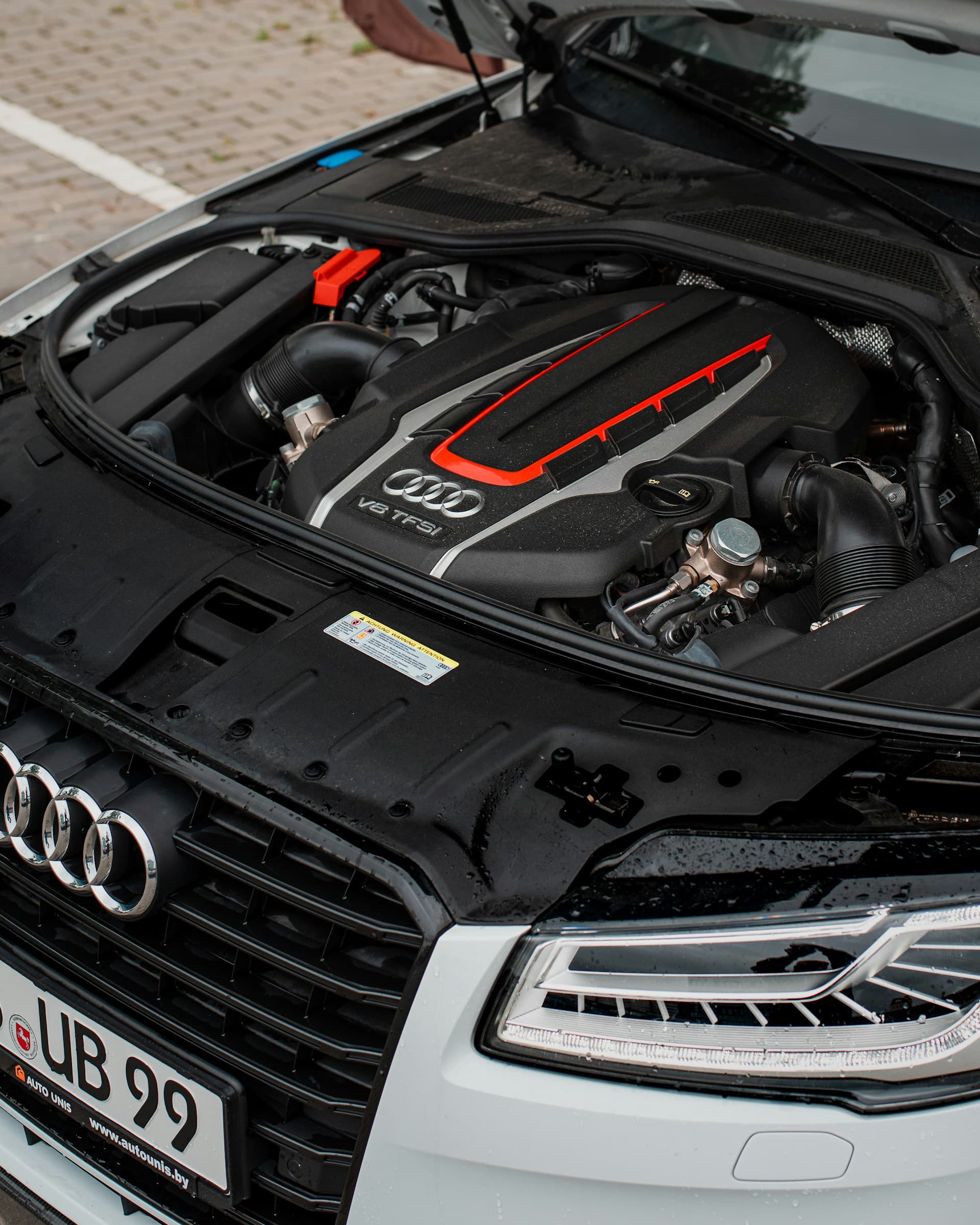
Car repair website SEO article cover showing an auto engine inspection for local auto shop services

Local SEO starts with service clarity, not keywords

When someone searches for “brake repair near me” or “auto service in [city]”, Google is not looking for clever copy. It is looking for a website that clearly answers three questions:

  • What services does this shop offer?

  • Where is it located?

  • Can this business be trusted?

If your website mixes services, hides locations, or forces visitors to guess what you actually do, SEO will not work no matter how much content you publish.

Google ranks pages, not businesses

This is one of the most common misunderstandings among auto shop owners.

Google does not rank “your website”. It ranks individual pages based on specific search intent. If you have one generic services page that lists everything from oil changes to engine rebuilds, Google has no reason to rank it for anything specific.

Local auto repair SEO works when:

  • each core service has its own clear page

  • each page focuses on one service and one intent

  • the structure makes it obvious what the page is about

This is why structure always beats content volume.

Location signals must be obvious and repeated

Many car repair websites mention their city once in the footer and expect to rank locally. That does not work.

Google needs consistent location signals across the site:

  • city and service combination on service pages

  • address and service area clearly visible

  • local context in headings, not hidden text

If Google has to guess where you operate, it will rank someone else.

Service pages convert better than homepages

A homepage is not where local SEO usually converts.

Most real bookings come from service-specific pages because:

  • they match the exact search intent

  • they feel more relevant to the problem

  • they reduce friction and confusion

A visitor searching for “transmission repair” should land on a page that talks only about transmission repair, not a general overview of your shop.

Trust elements are part of SEO, not decoration

For local auto repair businesses, trust is a ranking factor in practice, even if Google does not label it that way.

Pages that convert and rank better usually include:

  • real photos of the workshop

  • clear explanations of the service process

  • FAQs that remove common doubts

  • contact and booking options that are easy to find

If users bounce because they feel uncertain, rankings follow.

Technical SEO matters only after structure is right

Speed, mobile optimization, and clean code matter. But they do not fix a broken structure.

Many auto repair websites are fast and technically fine, yet still do not rank because:

  • services are not separated

  • content is too generic

  • local intent is unclear

Technical SEO supports clarity. It does not replace it.

Most SEO problems are actually structure problems

If your website struggles to get local traffic, the issue is rarely:

  • lack of blog posts

  • lack of keywords

  • lack of backlinks

In most cases, the real issue is that the site does not clearly communicate:

  • what services you offer

  • who they are for

  • where you operate

We break down these structural issues in detail in the article Car Repair Website Mistakes That Kill Online Bookings, which explains why many auto repair sites fail quietly without obvious errors.

Why a ready-made structure beats rebuilding from scratch

Designing a car repair website that works for local SEO requires experience with:

  • service page hierarchy

  • local intent mapping

  • conversion-focused layouts

For most shop owners, building this from scratch is slow, expensive, and full of trial and error.

This is why Motorium exists. It provides a ready-made website structure designed specifically for auto repair businesses, with service pages, local clarity, and SEO foundations already in place so shops can focus on running the business instead of fixing their website.

SEO works when your website makes sense

Local SEO for car repair shops is not about gaming Google. It is about making your website obvious, structured, and trustworthy for both search engines and real customers.

When your services are clear, your location is visible, and your pages match search intent, Google does the rest.

Local SEO starts with service clarity, not keywords

When someone searches for “brake repair near me” or “auto service in [city]”, Google is not looking for clever copy. It is looking for a website that clearly answers three questions:

  • What services does this shop offer?

  • Where is it located?

  • Can this business be trusted?

If your website mixes services, hides locations, or forces visitors to guess what you actually do, SEO will not work no matter how much content you publish.

Google ranks pages, not businesses

This is one of the most common misunderstandings among auto shop owners.

Google does not rank “your website”. It ranks individual pages based on specific search intent. If you have one generic services page that lists everything from oil changes to engine rebuilds, Google has no reason to rank it for anything specific.

Local auto repair SEO works when:

  • each core service has its own clear page

  • each page focuses on one service and one intent

  • the structure makes it obvious what the page is about

This is why structure always beats content volume.

Location signals must be obvious and repeated

Many car repair websites mention their city once in the footer and expect to rank locally. That does not work.

Google needs consistent location signals across the site:

  • city and service combination on service pages

  • address and service area clearly visible

  • local context in headings, not hidden text

If Google has to guess where you operate, it will rank someone else.

Service pages convert better than homepages

A homepage is not where local SEO usually converts.

Most real bookings come from service-specific pages because:

  • they match the exact search intent

  • they feel more relevant to the problem

  • they reduce friction and confusion

A visitor searching for “transmission repair” should land on a page that talks only about transmission repair, not a general overview of your shop.

Trust elements are part of SEO, not decoration

For local auto repair businesses, trust is a ranking factor in practice, even if Google does not label it that way.

Pages that convert and rank better usually include:

  • real photos of the workshop

  • clear explanations of the service process

  • FAQs that remove common doubts

  • contact and booking options that are easy to find

If users bounce because they feel uncertain, rankings follow.

Technical SEO matters only after structure is right

Speed, mobile optimization, and clean code matter. But they do not fix a broken structure.

Many auto repair websites are fast and technically fine, yet still do not rank because:

  • services are not separated

  • content is too generic

  • local intent is unclear

Technical SEO supports clarity. It does not replace it.

Most SEO problems are actually structure problems

If your website struggles to get local traffic, the issue is rarely:

  • lack of blog posts

  • lack of keywords

  • lack of backlinks

In most cases, the real issue is that the site does not clearly communicate:

  • what services you offer

  • who they are for

  • where you operate

We break down these structural issues in detail in the article Car Repair Website Mistakes That Kill Online Bookings, which explains why many auto repair sites fail quietly without obvious errors.

Why a ready-made structure beats rebuilding from scratch

Designing a car repair website that works for local SEO requires experience with:

  • service page hierarchy

  • local intent mapping

  • conversion-focused layouts

For most shop owners, building this from scratch is slow, expensive, and full of trial and error.

This is why Motorium exists. It provides a ready-made website structure designed specifically for auto repair businesses, with service pages, local clarity, and SEO foundations already in place so shops can focus on running the business instead of fixing their website.

SEO works when your website makes sense

Local SEO for car repair shops is not about gaming Google. It is about making your website obvious, structured, and trustworthy for both search engines and real customers.

When your services are clear, your location is visible, and your pages match search intent, Google does the rest.

Local SEO starts with service clarity, not keywords

When someone searches for “brake repair near me” or “auto service in [city]”, Google is not looking for clever copy. It is looking for a website that clearly answers three questions:

  • What services does this shop offer?

  • Where is it located?

  • Can this business be trusted?

If your website mixes services, hides locations, or forces visitors to guess what you actually do, SEO will not work no matter how much content you publish.

Google ranks pages, not businesses

This is one of the most common misunderstandings among auto shop owners.

Google does not rank “your website”. It ranks individual pages based on specific search intent. If you have one generic services page that lists everything from oil changes to engine rebuilds, Google has no reason to rank it for anything specific.

Local auto repair SEO works when:

  • each core service has its own clear page

  • each page focuses on one service and one intent

  • the structure makes it obvious what the page is about

This is why structure always beats content volume.

Location signals must be obvious and repeated

Many car repair websites mention their city once in the footer and expect to rank locally. That does not work.

Google needs consistent location signals across the site:

  • city and service combination on service pages

  • address and service area clearly visible

  • local context in headings, not hidden text

If Google has to guess where you operate, it will rank someone else.

Service pages convert better than homepages

A homepage is not where local SEO usually converts.

Most real bookings come from service-specific pages because:

  • they match the exact search intent

  • they feel more relevant to the problem

  • they reduce friction and confusion

A visitor searching for “transmission repair” should land on a page that talks only about transmission repair, not a general overview of your shop.

Trust elements are part of SEO, not decoration

For local auto repair businesses, trust is a ranking factor in practice, even if Google does not label it that way.

Pages that convert and rank better usually include:

  • real photos of the workshop

  • clear explanations of the service process

  • FAQs that remove common doubts

  • contact and booking options that are easy to find

If users bounce because they feel uncertain, rankings follow.

Technical SEO matters only after structure is right

Speed, mobile optimization, and clean code matter. But they do not fix a broken structure.

Many auto repair websites are fast and technically fine, yet still do not rank because:

  • services are not separated

  • content is too generic

  • local intent is unclear

Technical SEO supports clarity. It does not replace it.

Most SEO problems are actually structure problems

If your website struggles to get local traffic, the issue is rarely:

  • lack of blog posts

  • lack of keywords

  • lack of backlinks

In most cases, the real issue is that the site does not clearly communicate:

  • what services you offer

  • who they are for

  • where you operate

We break down these structural issues in detail in the article Car Repair Website Mistakes That Kill Online Bookings, which explains why many auto repair sites fail quietly without obvious errors.

Why a ready-made structure beats rebuilding from scratch

Designing a car repair website that works for local SEO requires experience with:

  • service page hierarchy

  • local intent mapping

  • conversion-focused layouts

For most shop owners, building this from scratch is slow, expensive, and full of trial and error.

This is why Motorium exists. It provides a ready-made website structure designed specifically for auto repair businesses, with service pages, local clarity, and SEO foundations already in place so shops can focus on running the business instead of fixing their website.

SEO works when your website makes sense

Local SEO for car repair shops is not about gaming Google. It is about making your website obvious, structured, and trustworthy for both search engines and real customers.

When your services are clear, your location is visible, and your pages match search intent, Google does the rest.

Frequently Asked Questions

Does SEO really work for small local auto repair shops?

Yes. Local SEO works especially well for auto repair businesses because customers search with clear intent and location. A properly structured website helps Google match your services to nearby searches and brings consistent service requests.

Why doesn’t my car repair website rank even though I have content?

Most car repair websites fail to rank because services are not clearly separated, location signals are weak, and pages try to target too many things at once. SEO depends more on structure and clarity than on the amount of content.

Do I need a separate page for each car repair service?

Yes. Google ranks pages based on specific intent. Dedicated service pages help search engines understand what you offer and help customers quickly find the service they need, which improves both rankings and conversions.

Is technical SEO more important than website structure?

No. Technical SEO supports performance, but it cannot fix unclear services or poor page structure. Most ranking issues for auto repair websites come from structural problems, not speed or plugins.

Can I improve SEO without rebuilding my entire website?

In some cases, yes. But many auto repair websites are built on weak foundations, which makes fixing SEO slow and expensive. Using a ready-made structure like Motorium is often faster and more reliable than rebuilding everything piece by piece.

Does SEO really work for small local auto repair shops?

Yes. Local SEO works especially well for auto repair businesses because customers search with clear intent and location. A properly structured website helps Google match your services to nearby searches and brings consistent service requests.

Why doesn’t my car repair website rank even though I have content?

Most car repair websites fail to rank because services are not clearly separated, location signals are weak, and pages try to target too many things at once. SEO depends more on structure and clarity than on the amount of content.

Do I need a separate page for each car repair service?

Yes. Google ranks pages based on specific intent. Dedicated service pages help search engines understand what you offer and help customers quickly find the service they need, which improves both rankings and conversions.

Is technical SEO more important than website structure?

No. Technical SEO supports performance, but it cannot fix unclear services or poor page structure. Most ranking issues for auto repair websites come from structural problems, not speed or plugins.

Can I improve SEO without rebuilding my entire website?

In some cases, yes. But many auto repair websites are built on weak foundations, which makes fixing SEO slow and expensive. Using a ready-made structure like Motorium is often faster and more reliable than rebuilding everything piece by piece.

Does SEO really work for small local auto repair shops?

Yes. Local SEO works especially well for auto repair businesses because customers search with clear intent and location. A properly structured website helps Google match your services to nearby searches and brings consistent service requests.

Why doesn’t my car repair website rank even though I have content?

Most car repair websites fail to rank because services are not clearly separated, location signals are weak, and pages try to target too many things at once. SEO depends more on structure and clarity than on the amount of content.

Do I need a separate page for each car repair service?

Yes. Google ranks pages based on specific intent. Dedicated service pages help search engines understand what you offer and help customers quickly find the service they need, which improves both rankings and conversions.

Is technical SEO more important than website structure?

No. Technical SEO supports performance, but it cannot fix unclear services or poor page structure. Most ranking issues for auto repair websites come from structural problems, not speed or plugins.

Can I improve SEO without rebuilding my entire website?

In some cases, yes. But many auto repair websites are built on weak foundations, which makes fixing SEO slow and expensive. Using a ready-made structure like Motorium is often faster and more reliable than rebuilding everything piece by piece.