{ "@context": "https://schema.org", "@type": "FAQPage", "mainEntity": [ { "@type": "Question", "name": "Is a template or a custom website better for a car rental business?", "acceptedAnswer": { "@type": "Answer", "text": "For most car rental businesses, a template is the better choice. It requires a much lower initial investment, allows you to launch in days instead of months, and helps you reach profitability faster. Custom websites make sense mainly for large companies with complex internal systems and high budgets." } }, { "@type": "Question", "name": "Do car rental website templates look cheap or generic?", "acceptedAnswer": { "@type": "Answer", "text": "No, if the template is built with a clear structure and business focus. Users care more about speed, clarity, and ease of use than unique visuals. A well-designed template looks professional and performs better than many custom websites." } }, { "@type": "Question", "name": "How fast can I launch a car rental website using a template?", "acceptedAnswer": { "@type": "Answer", "text": "Most car rental website templates can be launched within 1–3 days. The structure is already prepared, so you only need to add your content, vehicles, and branding before going live." } }, { "@type": "Question", "name": "Are templates good for SEO?", "acceptedAnswer": { "@type": "Answer", "text": "Yes. Templates with a clear page hierarchy, logical content structure, and clean navigation provide a strong SEO foundation. Search engines prioritize clarity and usability, both of which are built into well-structured templates." } }, { "@type": "Question", "name": "When does a custom car rental website make sense?", "acceptedAnswer": { "@type": "Answer", "text": "Custom development is usually justified only for large-scale operations that require advanced integrations, custom systems, or highly specific workflows. For most small and mid-size car rental businesses, templates offer a more efficient and lower-risk solution." } } ] }

January 11, 2026

January 11, 2026

Custom vs Template Car Rental Website: Cost, Speed, ROI

Custom vs Template Car Rental Website: Cost, Speed, ROI

Choosing between a custom car rental website and a template directly affects cost, launch speed, and return on investment. This comparison helps you make a rational business decision instead of an emotional one.

Choosing between a custom car rental website and a template directly affects cost, launch speed, and return on investment. This comparison helps you make a rational business decision instead of an emotional one.

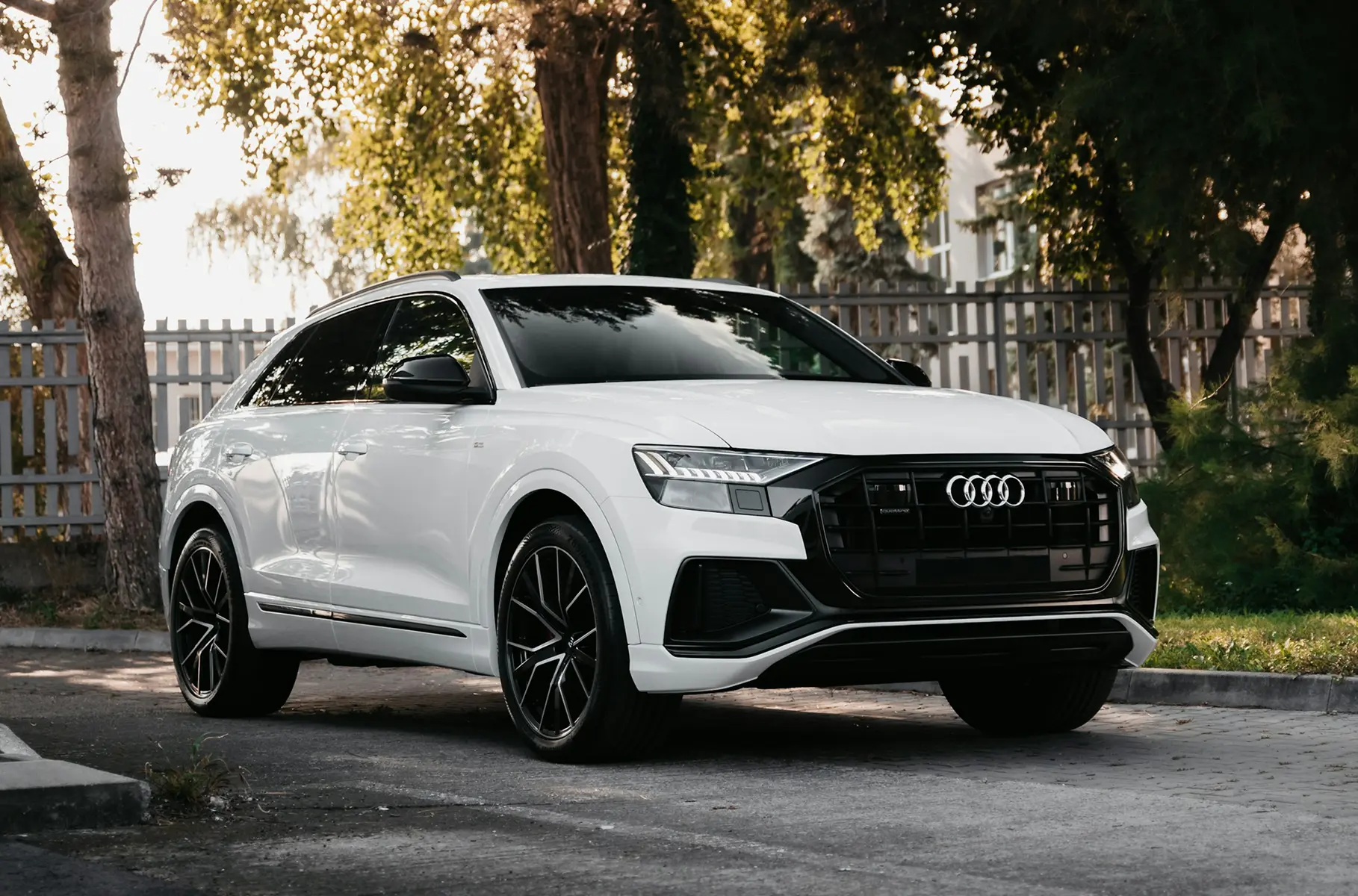
White SUV parked outdoors, representing a modern car rental website used for comparing custom and template website solutions

The real choice

When businesses compare custom websites and templates, they often think in terms of freedom versus limitation. In practice, the real choice is between building everything from zero or using a structure that already reflects how customers behave. A car rental website is not about expression. It is about clarity, speed, and predictable results.

Templates remove unnecessary decisions. Custom websites multiply them. From a business standpoint, fewer decisions usually lead to fewer mistakes.

Custom websites

A custom car rental website is built step by step, starting with assumptions and ending with a finished product that has not yet been tested by real users. Strategy sessions, design iterations, development, and revisions all add time and cost. Most of the budget is spent before the site generates traffic or bookings.

The biggest downside is not price itself, but risk. If the structure underperforms, fixing it requires more development, more budget, and more time. For small and mid-size businesses, this is often an inefficient way to validate a website.

Templates

Templates are built around common rental scenarios and repeated user behavior. The structure is already defined, tested, and optimized for clarity. You are not experimenting with navigation or page logic. You are filling a proven system with your content.

This is why templates intentionally limit flexibility at the structural level. They protect the conversion flow and prevent overdesign, which is one of the most common reasons rental websites fail to convert.

Cost

Here the difference becomes concrete.

Factor

Custom website

Template website

Initial cost

$3,000–$15,000+

$50–$150

Design and UX

Built from scratch

Pre-tested structure

Revisions

Paid and slow

Instant edits

Maintenance

Ongoing costs

Minimal

Risk of overpaying

High

Very low

For most small and mid-size car rental businesses, custom development simply does not justify its cost. The money is locked into infrastructure instead of growth.

Speed

Speed directly impacts revenue. A custom website often takes weeks or months to launch due to planning, design iterations, and development cycles. During this time, the business collects no SEO signals, no traffic data, and no customer feedback, which delays learning, slows optimization, and postpones any measurable return on investment for the business.

Templates shorten this cycle dramatically.

Average timelines

  • Custom website: 1-4 months

  • Template website: 1-3 days

Launching earlier means earlier indexing, earlier visibility, and faster learning. In competitive local markets, this advantage compounds quickly.

A real template example

Below is an example of a car rental website template we consider well-structured. It uses a clear layout, predictable navigation, and a straightforward vehicle listing, which makes it easy for users to understand the offer without additional explanation.

The template focuses on hierarchy rather than visual effects. Key information is placed where users expect it, vehicles are easy to compare, and the overall structure supports both usability and SEO without unnecessary complexity.
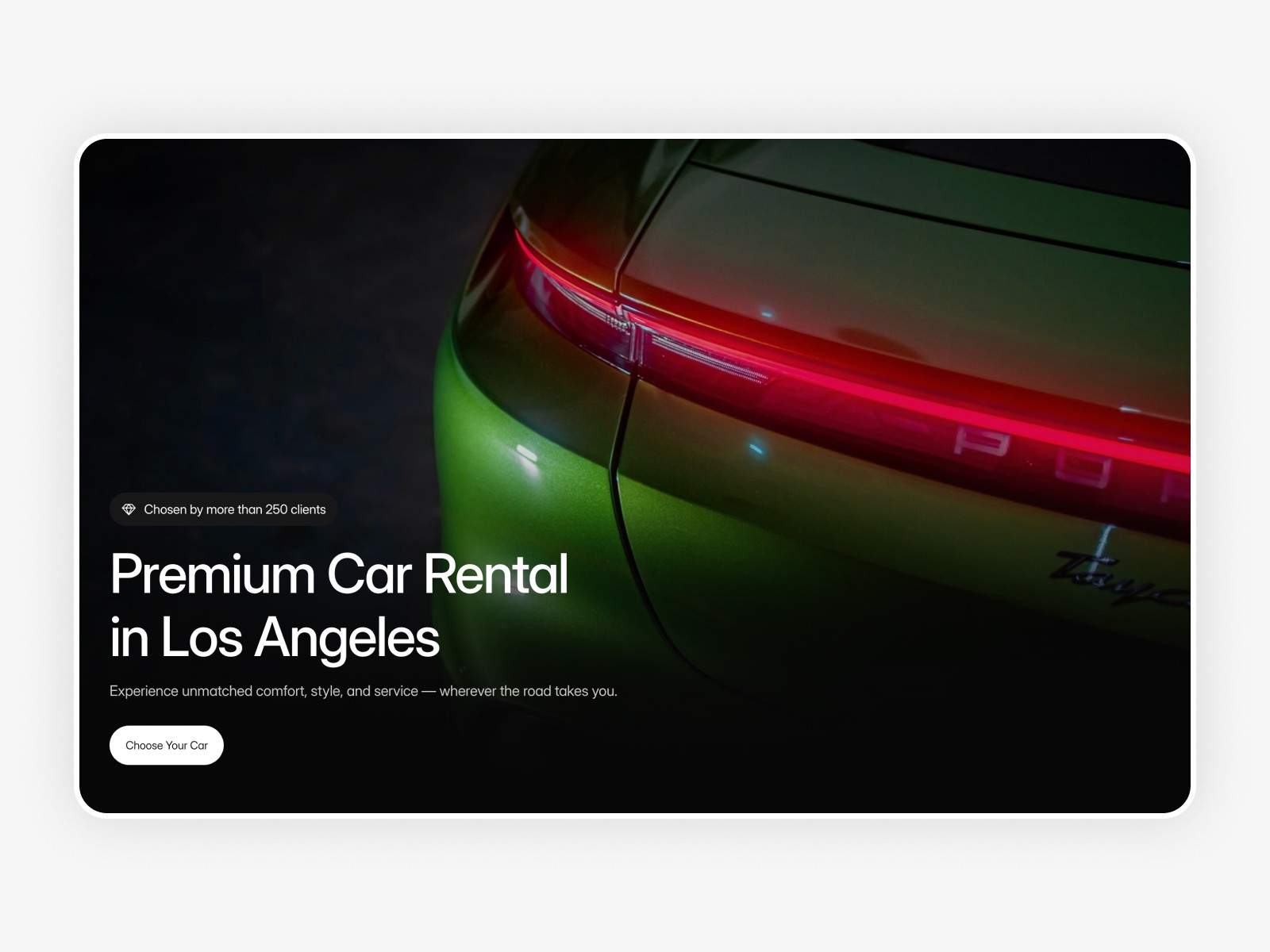

Car rental website homepage example showing a structured hero section with vehicle imagery and clear call to action

Live preview of a structured car rental website template. (https://luxerra.framer.website)

SEO

Search engines favor structure, not originality. Templates are built with clear hierarchy, predictable content blocks, and logical page flow. This makes them easier to crawl, understand, and rank.

Custom websites often prioritize visual uniqueness, which can weaken structure if SEO is not planned from the start. When hierarchy becomes unclear, both rankings and usability suffer.

Conversion

Conversion is driven by reduced friction. Templates rely on familiar layouts that users already understand. Vehicle lists are easy to scan, navigation is predictable, and calls to action are placed where users expect them.

Custom websites often introduce unnecessary complexity in an attempt to stand out visually. From an ROI perspective, this rarely improves conversion and often lowers it.

Verdict

This is not a choice between cheap and expensive, or between basic and advanced design. It is a strategic decision between an efficient, predictable path to results and a risky, slow, and capital-intensive approach with uncertain outcomes.

Custom websites require high upfront investment, long timelines, and unproven assumptions. Templates offer clarity, speed, and a lower-risk path to measurable results. For most car rental businesses, a structured template is the rational decision.

The real choice

When businesses compare custom websites and templates, they often think in terms of freedom versus limitation. In practice, the real choice is between building everything from zero or using a structure that already reflects how customers behave. A car rental website is not about expression. It is about clarity, speed, and predictable results.

Templates remove unnecessary decisions. Custom websites multiply them. From a business standpoint, fewer decisions usually lead to fewer mistakes.

Custom websites

A custom car rental website is built step by step, starting with assumptions and ending with a finished product that has not yet been tested by real users. Strategy sessions, design iterations, development, and revisions all add time and cost. Most of the budget is spent before the site generates traffic or bookings.

The biggest downside is not price itself, but risk. If the structure underperforms, fixing it requires more development, more budget, and more time. For small and mid-size businesses, this is often an inefficient way to validate a website.

Templates

Templates are built around common rental scenarios and repeated user behavior. The structure is already defined, tested, and optimized for clarity. You are not experimenting with navigation or page logic. You are filling a proven system with your content.

This is why templates intentionally limit flexibility at the structural level. They protect the conversion flow and prevent overdesign, which is one of the most common reasons rental websites fail to convert.

Cost

Here the difference becomes concrete.

Factor

Custom website

Template website

Initial cost

$3,000–$15,000+

$50–$150

Design and UX

Built from scratch

Pre-tested structure

Revisions

Paid and slow

Instant edits

Maintenance

Ongoing costs

Minimal

Risk of overpaying

High

Very low

For most small and mid-size car rental businesses, custom development simply does not justify its cost. The money is locked into infrastructure instead of growth.

Speed

Speed directly impacts revenue. A custom website often takes weeks or months to launch due to planning, design iterations, and development cycles. During this time, the business collects no SEO signals, no traffic data, and no customer feedback, which delays learning, slows optimization, and postpones any measurable return on investment for the business.

Templates shorten this cycle dramatically.

Average timelines

  • Custom website: 1-4 months

  • Template website: 1-3 days

Launching earlier means earlier indexing, earlier visibility, and faster learning. In competitive local markets, this advantage compounds quickly.

A real template example

Below is an example of a car rental website template we consider well-structured. It uses a clear layout, predictable navigation, and a straightforward vehicle listing, which makes it easy for users to understand the offer without additional explanation.

The template focuses on hierarchy rather than visual effects. Key information is placed where users expect it, vehicles are easy to compare, and the overall structure supports both usability and SEO without unnecessary complexity.


Car rental website homepage example showing a structured hero section with vehicle imagery and clear call to action

Live preview of a structured car rental website template. (https://luxerra.framer.website)

SEO

Search engines favor structure, not originality. Templates are built with clear hierarchy, predictable content blocks, and logical page flow. This makes them easier to crawl, understand, and rank.

Custom websites often prioritize visual uniqueness, which can weaken structure if SEO is not planned from the start. When hierarchy becomes unclear, both rankings and usability suffer.

Conversion

Conversion is driven by reduced friction. Templates rely on familiar layouts that users already understand. Vehicle lists are easy to scan, navigation is predictable, and calls to action are placed where users expect them.

Custom websites often introduce unnecessary complexity in an attempt to stand out visually. From an ROI perspective, this rarely improves conversion and often lowers it.

Verdict

This is not a choice between cheap and expensive, or between basic and advanced design. It is a strategic decision between an efficient, predictable path to results and a risky, slow, and capital-intensive approach with uncertain outcomes.

Custom websites require high upfront investment, long timelines, and unproven assumptions. Templates offer clarity, speed, and a lower-risk path to measurable results. For most car rental businesses, a structured template is the rational decision.

The real choice

When businesses compare custom websites and templates, they often think in terms of freedom versus limitation. In practice, the real choice is between building everything from zero or using a structure that already reflects how customers behave. A car rental website is not about expression. It is about clarity, speed, and predictable results.

Templates remove unnecessary decisions. Custom websites multiply them. From a business standpoint, fewer decisions usually lead to fewer mistakes.

Custom websites

A custom car rental website is built step by step, starting with assumptions and ending with a finished product that has not yet been tested by real users. Strategy sessions, design iterations, development, and revisions all add time and cost. Most of the budget is spent before the site generates traffic or bookings.

The biggest downside is not price itself, but risk. If the structure underperforms, fixing it requires more development, more budget, and more time. For small and mid-size businesses, this is often an inefficient way to validate a website.

Templates

Templates are built around common rental scenarios and repeated user behavior. The structure is already defined, tested, and optimized for clarity. You are not experimenting with navigation or page logic. You are filling a proven system with your content.

This is why templates intentionally limit flexibility at the structural level. They protect the conversion flow and prevent overdesign, which is one of the most common reasons rental websites fail to convert.

Cost

Here the difference becomes concrete.

Factor

Custom website

Template website

Initial cost

$3,000–$15,000+

$50–$150

Design and UX

Built from scratch

Pre-tested structure

Revisions

Paid and slow

Instant edits

Maintenance

Ongoing costs

Minimal

Risk of overpaying

High

Very low

For most small and mid-size car rental businesses, custom development simply does not justify its cost. The money is locked into infrastructure instead of growth.

Speed

Speed directly impacts revenue. A custom website often takes weeks or months to launch due to planning, design iterations, and development cycles. During this time, the business collects no SEO signals, no traffic data, and no customer feedback, which delays learning, slows optimization, and postpones any measurable return on investment for the business.

Templates shorten this cycle dramatically.

Average timelines

  • Custom website: 1-4 months

  • Template website: 1-3 days

Launching earlier means earlier indexing, earlier visibility, and faster learning. In competitive local markets, this advantage compounds quickly.

A real template example

Below is an example of a car rental website template we consider well-structured. It uses a clear layout, predictable navigation, and a straightforward vehicle listing, which makes it easy for users to understand the offer without additional explanation.

The template focuses on hierarchy rather than visual effects. Key information is placed where users expect it, vehicles are easy to compare, and the overall structure supports both usability and SEO without unnecessary complexity.


Car rental website homepage example showing a structured hero section with vehicle imagery and clear call to action

Live preview of a structured car rental website template. (https://luxerra.framer.website)

SEO

Search engines favor structure, not originality. Templates are built with clear hierarchy, predictable content blocks, and logical page flow. This makes them easier to crawl, understand, and rank.

Custom websites often prioritize visual uniqueness, which can weaken structure if SEO is not planned from the start. When hierarchy becomes unclear, both rankings and usability suffer.

Conversion

Conversion is driven by reduced friction. Templates rely on familiar layouts that users already understand. Vehicle lists are easy to scan, navigation is predictable, and calls to action are placed where users expect them.

Custom websites often introduce unnecessary complexity in an attempt to stand out visually. From an ROI perspective, this rarely improves conversion and often lowers it.

Verdict

This is not a choice between cheap and expensive, or between basic and advanced design. It is a strategic decision between an efficient, predictable path to results and a risky, slow, and capital-intensive approach with uncertain outcomes.

Custom websites require high upfront investment, long timelines, and unproven assumptions. Templates offer clarity, speed, and a lower-risk path to measurable results. For most car rental businesses, a structured template is the rational decision.

Frequently Asked Questions

Is a template or a custom website better for a car rental business?

For most car rental businesses, a template is the better choice. It requires a much lower initial investment, allows you to launch in days instead of months, and helps you reach profitability faster. Custom websites make sense mainly for large companies with complex internal systems and high budgets.

Do car rental website templates look cheap or generic?

No, if the template is built with a clear structure and business focus. Users care more about speed, clarity, and ease of use than unique visuals. A well-designed template looks professional and performs better than many custom websites.

How fast can I launch a car rental website using a template?

Most car rental website templates can be launched within 1–3 days. The structure is already prepared, so you only need to add your content, vehicles, and branding before going live.

Are templates good for SEO?

Yes. Templates with a clear page hierarchy, logical content structure, and clean navigation provide a strong SEO foundation. Search engines prioritize clarity and usability, both of which are built into well-structured templates.

When does a custom car rental website make sense?

Custom development is usually justified only for large-scale operations that require advanced integrations, custom systems, or highly specific workflows. For most small and mid-size car rental businesses, templates offer a more efficient and lower-risk solution.

Is a template or a custom website better for a car rental business?

For most car rental businesses, a template is the better choice. It requires a much lower initial investment, allows you to launch in days instead of months, and helps you reach profitability faster. Custom websites make sense mainly for large companies with complex internal systems and high budgets.

Do car rental website templates look cheap or generic?

No, if the template is built with a clear structure and business focus. Users care more about speed, clarity, and ease of use than unique visuals. A well-designed template looks professional and performs better than many custom websites.

How fast can I launch a car rental website using a template?

Most car rental website templates can be launched within 1–3 days. The structure is already prepared, so you only need to add your content, vehicles, and branding before going live.

Are templates good for SEO?

Yes. Templates with a clear page hierarchy, logical content structure, and clean navigation provide a strong SEO foundation. Search engines prioritize clarity and usability, both of which are built into well-structured templates.

When does a custom car rental website make sense?

Custom development is usually justified only for large-scale operations that require advanced integrations, custom systems, or highly specific workflows. For most small and mid-size car rental businesses, templates offer a more efficient and lower-risk solution.

Is a template or a custom website better for a car rental business?

For most car rental businesses, a template is the better choice. It requires a much lower initial investment, allows you to launch in days instead of months, and helps you reach profitability faster. Custom websites make sense mainly for large companies with complex internal systems and high budgets.

Do car rental website templates look cheap or generic?

No, if the template is built with a clear structure and business focus. Users care more about speed, clarity, and ease of use than unique visuals. A well-designed template looks professional and performs better than many custom websites.

How fast can I launch a car rental website using a template?

Most car rental website templates can be launched within 1–3 days. The structure is already prepared, so you only need to add your content, vehicles, and branding before going live.

Are templates good for SEO?

Yes. Templates with a clear page hierarchy, logical content structure, and clean navigation provide a strong SEO foundation. Search engines prioritize clarity and usability, both of which are built into well-structured templates.

When does a custom car rental website make sense?

Custom development is usually justified only for large-scale operations that require advanced integrations, custom systems, or highly specific workflows. For most small and mid-size car rental businesses, templates offer a more efficient and lower-risk solution.