
Why Events Attract Online Searches
Bar events create specific reasons for people to search online. Instead of typing general phrases like bars near me, users often look for live music tonight, jazz night in my city, or cocktail masterclass this week. These searches show clear interest and stronger intent to attend. When your website includes detailed event information, it becomes more likely to appear for these focused queries.
Unlike general homepage content, event related pages target specific days, themes, and audiences. This makes them powerful tools for attracting visitors who are already planning to go out. The more clearly your website explains what is happening and when, the easier it becomes for potential guests to find you.
Create Dedicated Event Pages
A dedicated page for each major event gives you more space to explain the concept, show photos, and include a clear reservation option. Instead of placing all events inside a single list, separate pages allow better structure and clearer messaging. This makes the website easier to understand for both visitors and search engines.
Each event page should include the event name, date, time, description, and a visible booking button. When guests land on an event page from search results or social media, they should understand what the event is about and how to reserve a table.
Optimize Event Titles and Descriptions
Event titles should be clear and descriptive rather than creative but vague. A title like Thursday Jazz Night with Live Band is more effective than simply The Groove. Clear wording helps people find your event when they search for specific activities in your city.
Descriptions should explain what guests can expect, who the event is for, and why it is worth attending. Including practical details such as start time, dress code if relevant, and reservation recommendations reduces uncertainty and increases the likelihood of booking.
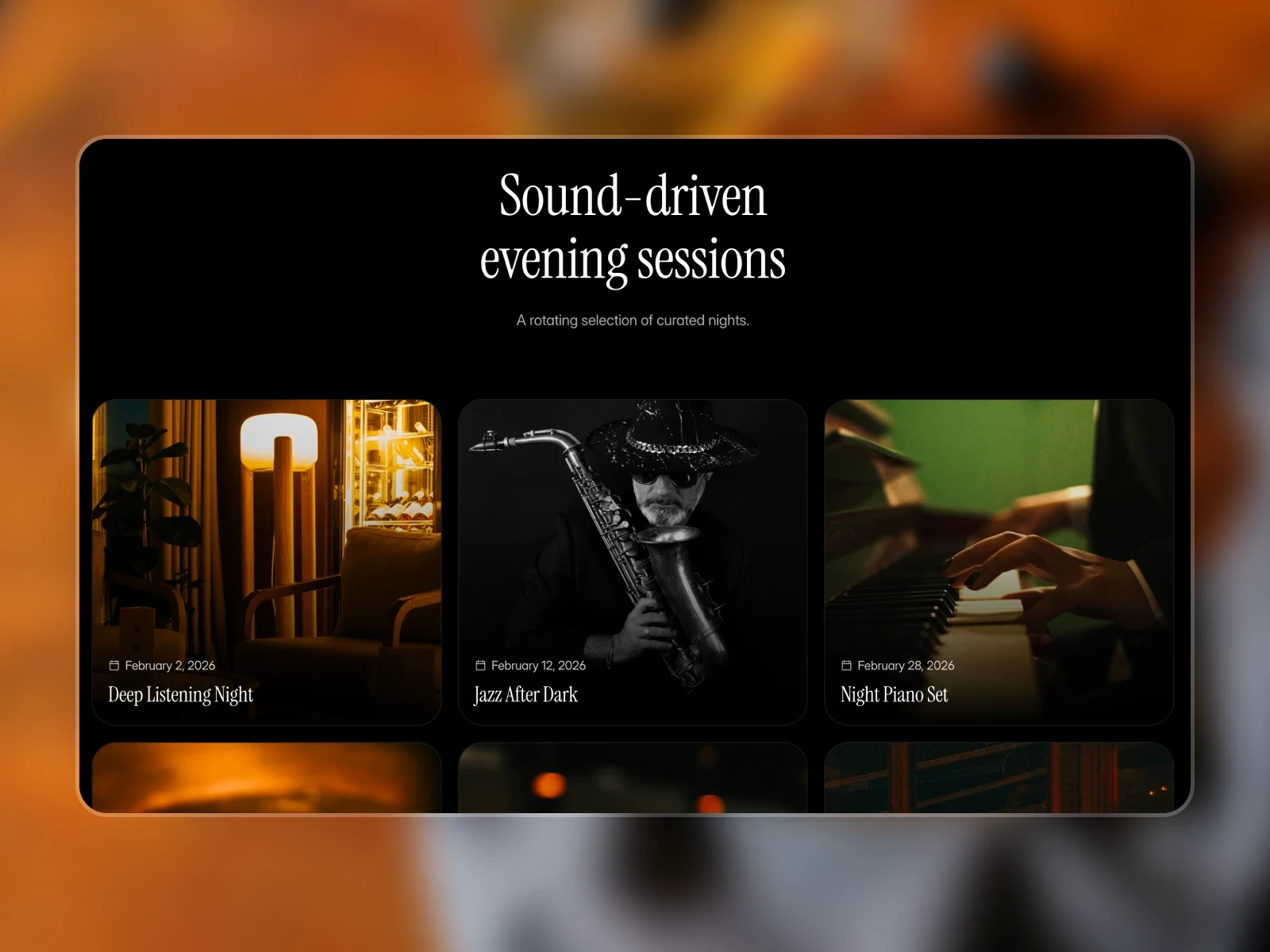
Example of a structured event layout in the Afterhours bar website template with clear titles and dates.
Use Recurring Events for Steady Traffic
Recurring events build predictable traffic patterns. If every Wednesday features a quiz night or every Friday hosts a DJ set, your website can rank over time for those repeated searches. Consistency helps both visitors and search engines understand that the event is not a one time promotion but a regular part of your schedule.
When recurring events are clearly presented and updated weekly, they continue attracting traffic without additional advertising. This steady flow of visitors increases the chances of consistent reservations rather than relying only on occasional peak nights.
Promote Events Across Channels
Your website should be the central place for full event information. Social media posts, email updates, and online listings should all link back to the event page rather than repeating limited details everywhere. This approach concentrates traffic on your site, where booking is simple and structured.
When visitors arrive from different channels and find clear, detailed information in one place, they are more likely to stay longer and complete a reservation. A well organized event page becomes the main conversion point instead of relying on external platforms.
Convert Event Visitors Into Reservations
Attracting traffic is only the first step. Each event page must guide visitors toward booking without confusion. A visible reservation button, short booking form, and clear confirmation message reduce hesitation and increase completed reservations.
Event related urgency can also support bookings. If seats are limited or certain tables offer better views of the stage, clearly communicating this encourages faster decisions. When visitors feel confident about the event and the booking process is simple, traffic naturally turns into confirmed tables.
Track Event Performance
Monitoring event performance helps you understand what works best and where improvements are needed. You can review website traffic to event pages, reservation numbers on event nights, and repeat attendance over time. This data shows which types of events attract the most interest and which days need adjustment.
By regularly reviewing performance, you can refine event themes, improve descriptions, and adjust scheduling. Small improvements in structure and communication can significantly increase both website visits and reservations without increasing costs.
Conclusion
Bar events are powerful tools for increasing website traffic and table reservations. Dedicated event pages, clear titles, recurring schedules, and visible booking options work together to attract visitors who are actively looking for something to do. If you want to focus on midweek strategies, read our guide on How to Fill Weekday Nights in a Bar Using Your Website, where we explain how structured promotions can stabilize slower evenings.
When events are structured clearly and promoted consistently, your website becomes more than an information page. It becomes a system that attracts targeted traffic and turns interest into confirmed reservations. To strengthen this foundation further, explore What Every Bar Website Should Include for Better Bookings and review the essential elements that support higher conversion rates.