
Why Design Color Impacts Conversions
Website background color affects how users perceive clarity, trust, and professionalism within seconds. Before reading detailed content, visitors react to visual structure, contrast, and overall atmosphere. If the layout feels clean and easy to scan, users stay longer and explore further. If it feels heavy or difficult to read, they leave.
Color also influences how clearly information is presented. Since conversions depend on understanding pricing, features, and calls to action, the background must support readability rather than compete with it. The goal is not visual preference but measurable business outcomes such as inquiries, bookings, or purchases.
Trust and First Impressions
Light websites often feel open, transparent, and familiar because most corporate and service websites use white or light backgrounds. This familiarity reduces hesitation. Users subconsciously associate bright layouts with clarity and structure, especially when dealing with important decisions such as booking services or making purchases.
Dark websites can communicate exclusivity and bold identity, but they require careful execution. If contrast is weak or typography is too thin, readability suffers and trust decreases. A dark design must feel intentional and refined, not simply inverted.

Readability and User Comfort
Readability plays a major role in conversion rates. Black text on a white or light background remains the easiest format for reading long content, product descriptions, and service explanations. This is why many high ranking websites use light layouts for information heavy pages where clarity affects understanding and decision making. When users can scan information quickly without strain, they are more likely to stay longer and move toward action.
Dark backgrounds can work well for visual storytelling and short sections, especially when supported by strong imagery and strong contrast. However, for longer reading sessions, lighter backgrounds typically cause less eye strain and improve clarity. If your website includes detailed specifications, pricing tables, or comparison content, readability should be the priority. Testing your color combinations with tools such as the WebAIM Contrast Checker helps ensure text remains accessible and comfortable to read across devices.
Brand Positioning
Design must reflect brand identity, but brand positioning should not override usability. A luxury brand may benefit from a darker theme that feels refined and controlled, while a wellness or service focused business often performs better with a lighter, more open layout. For example, Aesop consistently uses a muted, minimal design system with neutral tones and structured typography across its website and stores. This consistency strengthens brand perception and creates a recognizable experience that aligns with its positioning, proving that design choices must support a clear and coherent identity rather than follow trends.
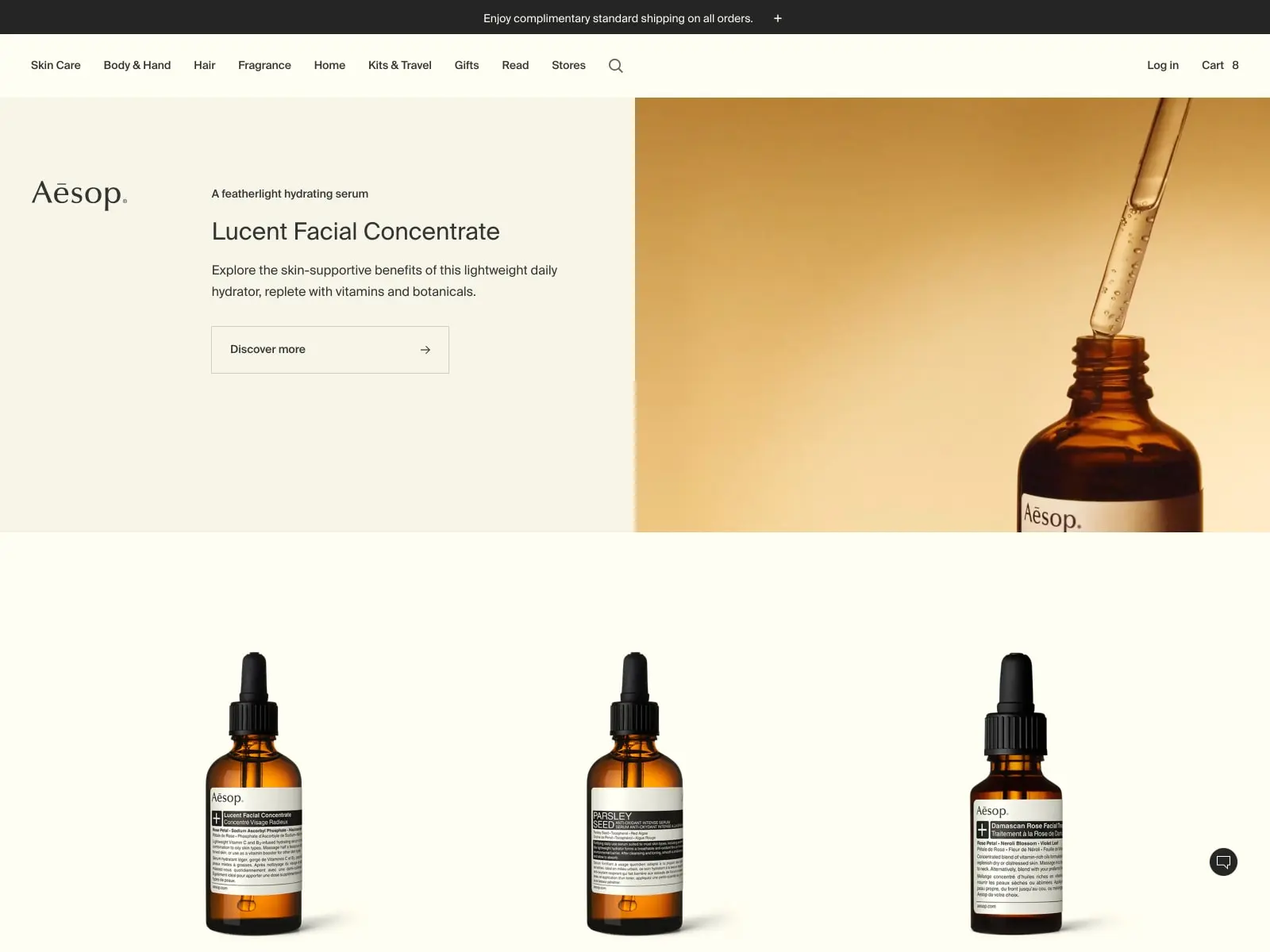
Example of Aesop’s website showcasing a minimal design system with neutral tones, structured typography, and consistent visual identity aligned with its brand positioning.
However, alignment depends on industry context. A yoga studio website usually benefits from a calm, light design that reflects balance and comfort. Even if the studio positions itself as premium, a dark background may conflict with expectations of clarity and wellness. In service industries built on trust and approachability, lighter designs often perform better because they match user expectations and reduce friction. The key is matching design tone to brand personality and industry standards while maintaining readability and clear calls to action.
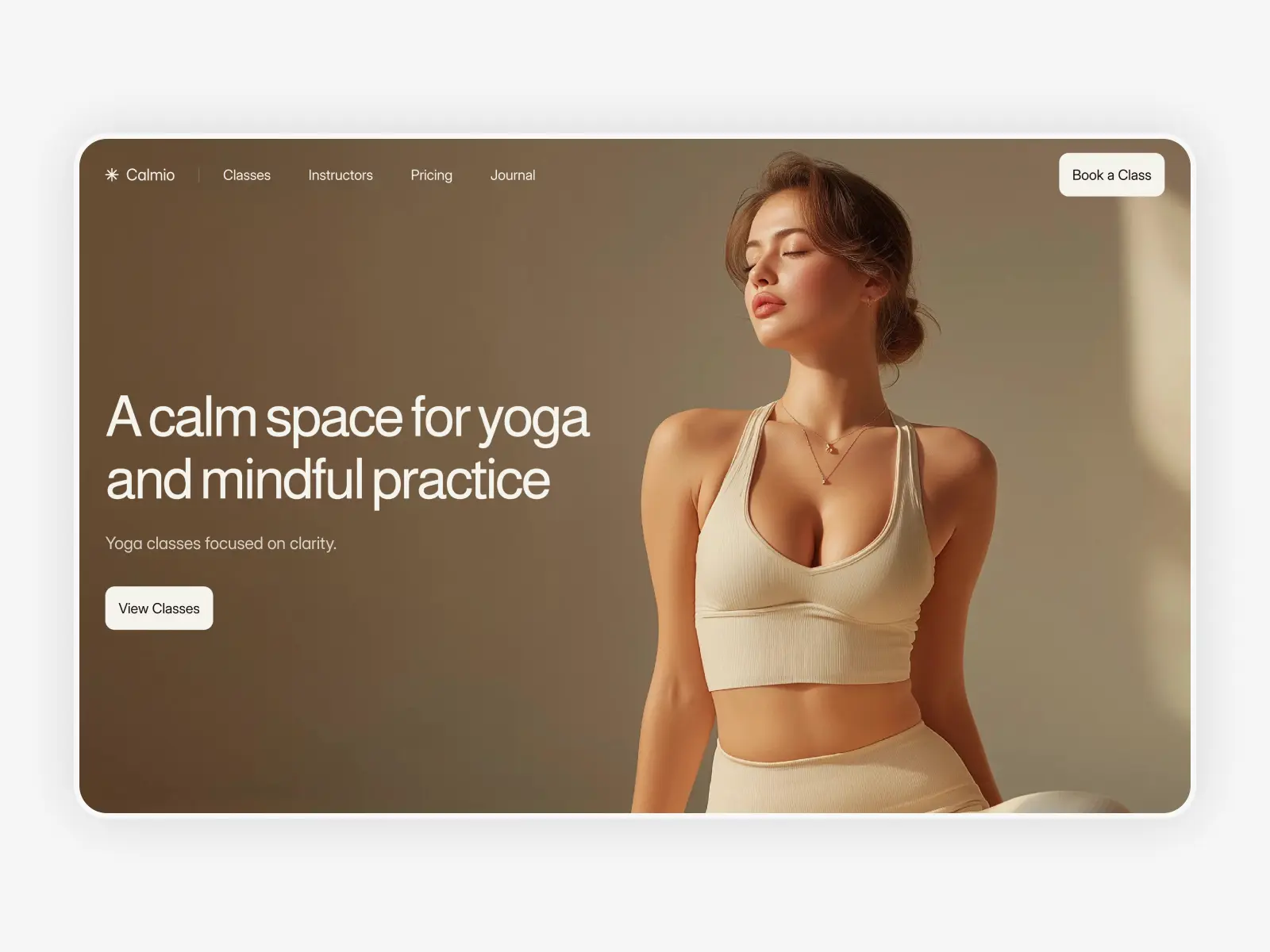
Example of a yoga studio website using soft neutral colors, clear typography, and strong contrast to maintain readability while reflecting calm and balance.
When White Design Works Best
White or light design works best for service businesses, healthcare providers, education platforms, real estate agencies, SaaS companies, and most local businesses that rely on clarity and structured information. These industries depend on transparency, trust, and the clear presentation of details such as pricing, features, schedules, or contact options. A light background supports organized layouts and well defined sections, making it easier for visitors to scan information and understand what is being offered without distraction.
Light layouts also make it easier to highlight buttons and important elements using contrasting accent colors. When calls to action stand out clearly against a neutral background, users are more likely to notice them and take action without hesitation. This contrast improves visual hierarchy and reduces cognitive load, which helps guide visitors naturally from reading content to clicking inquiry, booking, or purchase buttons.
When Dark Design Works Best
Dark design works well for brands focused on strong visual identity, nightlife, automotive, gaming, creative portfolios, or high end fashion. In these industries, emotion and atmosphere often influence decision making more than detailed comparison. A darker layout can create a sense of exclusivity and sophistication, especially when supported by high quality imagery and refined typography. Black tones are often chosen by brands that position themselves at a higher price level because they reinforce a perception of premium value and exclusivity.
A dark background can create depth and make images appear more dramatic while drawing attention to key visual elements. It can also reduce visual noise when used with minimal components and strong typography. For example, a premium car rental website may use a dark layout to highlight luxury vehicles with bold contrast and focused lighting, creating a more immersive experience. However, spacing, contrast, and font clarity must be carefully controlled to maintain usability and ensure that calls to action remain clearly visible.
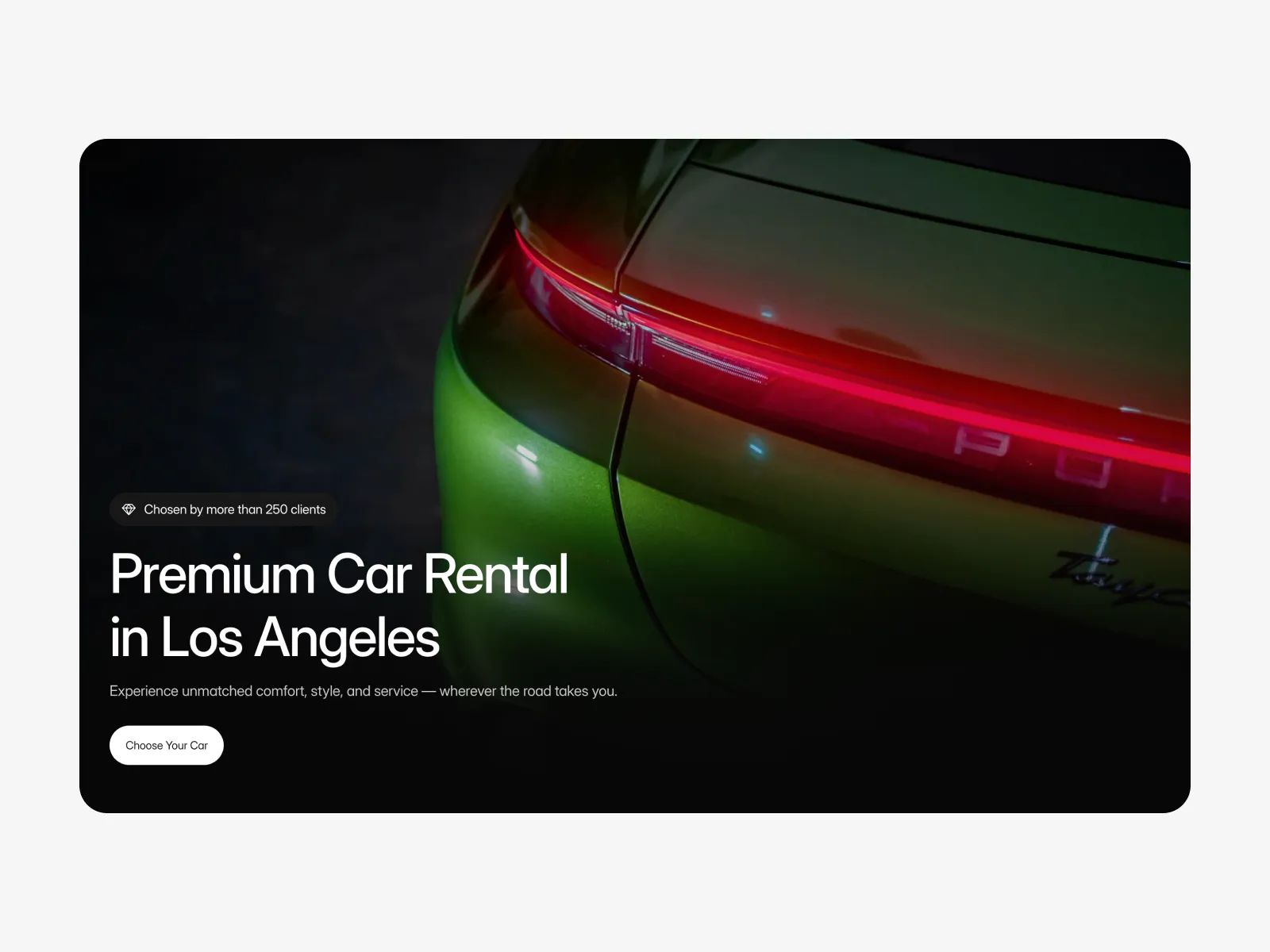
Example of a premium car rental website using a dark layout, dramatic vehicle imagery, and strong contrast to emphasize luxury positioning and focused calls to action.
Industry Differences
Conversion results often reflect industry expectations rather than rules. In corporate and professional services, light websites are common because they signal structure, clarity, and reliability. Clients in these sectors expect organized information and transparent presentation, which light layouts support. In contrast, entertainment, nightlife, and luxury segments often use darker designs to strengthen emotional appeal and highlight visual identity.
Instead of following design trends, businesses should evaluate what feels natural within their market. If high performing competitors consistently use light layouts, that likely reflects customer comfort and familiarity. If premium brands in the niche rely on darker themes, that may signal a positioning strategy aligned with higher pricing and exclusivity. The key is aligning visual direction with industry norms while maintaining usability and conversion clarity.
Mobile Experience Considerations
On mobile devices, contrast and clarity become more important because screen size limits how much information can be displayed. Smaller screens amplify readability issues, and poor contrast quickly leads to friction. Light backgrounds often improve legibility in bright environments such as outdoor settings, where many users browse on their phones.

Dark layouts can work on mobile when contrast is strong, spacing is generous, and text size is properly optimized. Buttons must remain clearly visible and easy to tap without blending into the background. Testing across different devices is essential because what looks balanced and refined on desktop may feel heavy or crowded on smaller screens, which can directly affect engagement and conversion rates.
Testing and Data
There is no universal answer that guarantees higher conversions because performance depends on audience, industry, and content type. The most reliable method is testing different layouts and measuring real behavior. Businesses can compare engagement metrics, scroll depth, time on page, and conversion rates across light and dark variations to understand what performs better for their specific audience.
In many cases, light designs perform better for information driven pages where clarity and structure are essential, while dark designs perform well for brand focused landing pages that rely on strong visuals and emotional appeal. The most effective approach may combine both styles strategically within the same website, using each where it supports clarity, brand positioning, and measurable results.
Conclusion
White and dark website design can convert well when executed correctly. Light layouts support readability, clarity, and trust, while dark layouts strengthen brand identity and impact.
The best choice depends on your industry, audience expectations, and business goals. Instead of following trends, focus on structure, contrast, and usability. When design supports clarity and guides visitors toward action, conversions improve regardless of background color.
If you are exploring practical examples, browse our website templates to see how structured light and dark layouts are built for performance and real business results.