
{ "@context": "https://schema.org", "@type": "FAQPage", "mainEntity": [ { "@type": "Question", "name": "How long does dealership SEO take to show results?", "acceptedAnswer": { "@type": "Answer", "text": "SEO usually takes several months to show noticeable improvement, but consistent optimization leads to stable long term growth." } }, { "@type": "Question", "name": "Do car dealerships need separate pages for each vehicle?", "acceptedAnswer": { "@type": "Answer", "text": "Yes, each vehicle should have its own dedicated page to rank for specific searches and attract ready to buy customers." } }, { "@type": "Question", "name": "Is local SEO important for car dealerships?", "acceptedAnswer": { "@type": "Answer", "text": "Yes, strong local signals help your dealership appear in nearby searches and attract buyers in your area." } }, { "@type": "Question", "name": "Can a structured website improve rankings?", "acceptedAnswer": { "@type": "Answer", "text": "Yes, a clear and organized site structure helps Google understand your pages and rank them more effectively." } } ] }

February 13, 2026

Car Dealership SEO Basics for Higher Rankings

Car Dealership SEO Basics for Higher Rankings

Learn the core SEO basics car dealerships need to rank higher in Google and attract local buyers. This guide explains how to structure your website and optimize key pages to increase visibility and generate inquiries.

Learn the core SEO basics car dealerships need to rank higher in Google and attract local buyers. This guide explains how to structure your website and optimize key pages to increase visibility and generate inquiries.

Mercedes-Benz sedan driving on a highway through rocky hills during daylight

Why rankings matter

Most car buyers begin their search online. They compare models, prices, locations, and reviews before they ever visit a dealership. If your website does not appear when someone searches for “used cars near me” or “SUV for sale in [city]”, you are losing potential buyers at the most important moment.

Higher rankings mean your dealership becomes visible when people are actively looking for vehicles. Unlike paid ads, organic traffic continues to work over time and builds stability. When your website is structured properly and aligned with how customers search, it becomes easier for Google to understand your business and show your pages in relevant results.

Local relevance

Car dealerships serve specific cities or regions, so your website must clearly communicate where you operate. Your homepage, contact page, and inventory categories should naturally mention your city and service area, without forcing keywords into every sentence.

Your address, phone number, and working hours must be consistent across the entire site and match your Google Business Profile. Creating dedicated pages such as “Used Cars in [City]” or “Trucks for Sale in [City]” helps Google connect your business to local searches and increases your chances of appearing in nearby results.

Clear site structure

Google prefers websites that are organized logically and structured around clear topics. Your dealership website should separate inventory categories, brand pages, and service pages instead of placing everything on one large page.

For example, a main “Used Cars” page can link to more specific pages such as “Used BMW”, “Used Toyota SUVs”, or “Used Pickup Trucks”. Service pages like financing, trade in, and warranty should also have their own clear sections with focused content.

When each page has one clear purpose, it becomes easier for Google to evaluate its relevance and for users to navigate without confusion. A structured website improves rankings and increases the likelihood that visitors stay longer and explore more vehicles.

Inventory optimization

Vehicle listing pages are the core of dealership SEO and organic visibility. Each vehicle should have its own dedicated page with a unique title, detailed description, specifications, price, mileage, and high quality images.

Avoid copying generic manufacturer descriptions without editing them. Add short, original explanations that describe the condition, key features, and benefits for buyers. Include internal links to similar vehicles to encourage browsing and keep visitors engaged.

Well optimized inventory pages increase visibility for specific searches such as “2019 Honda Civic for sale in [city]” and attract visitors who are already close to making a decision.

Technical basics

Technical quality supports everything else on your dealership website. Your website must load quickly on both desktop and mobile devices because many buyers search from their phones. Images should be compressed without losing quality, and unnecessary scripts should be removed to keep pages fast and responsive.

Each page needs a clear title and meta description that accurately describe the content and include relevant keywords. Headings should be organized properly so Google can clearly interpret the page structure.

Broken links, duplicate pages, and confusing navigation reduce both user trust and performance in search results. A clean technical foundation ensures that your content can be indexed and ranked correctly.

Trust signals

Online visibility is influenced not only by keywords but also by credibility. Your website should clearly display contact information, financing options, return policies, and customer reviews.

Adding real testimonials and linking to review platforms builds confidence and encourages visitors to take action. An About page that explains your dealership history and experience also strengthens trust.

When users feel secure and informed, they spend more time on the site and are more likely to submit an inquiry, which supports stronger rankings over time.

Content consistency

SEO improves when your website stays active and consistently updated with fresh content. Regularly updating inventory, publishing short buying guides, and answering common customer questions keep your website relevant and useful.

Articles such as “How to Finance a Used Car” or “Best SUVs for Families” can attract additional traffic and connect visitors to your inventory pages through internal links. Consistent updates signal that your dealership is active and professional, which supports long term visibility.

Example structure

Below is an example of a structured car dealership website designed with clear categories, optimized inventory pages, and visible inquiry paths that support higher rankings, stronger local visibility, and better user experience.
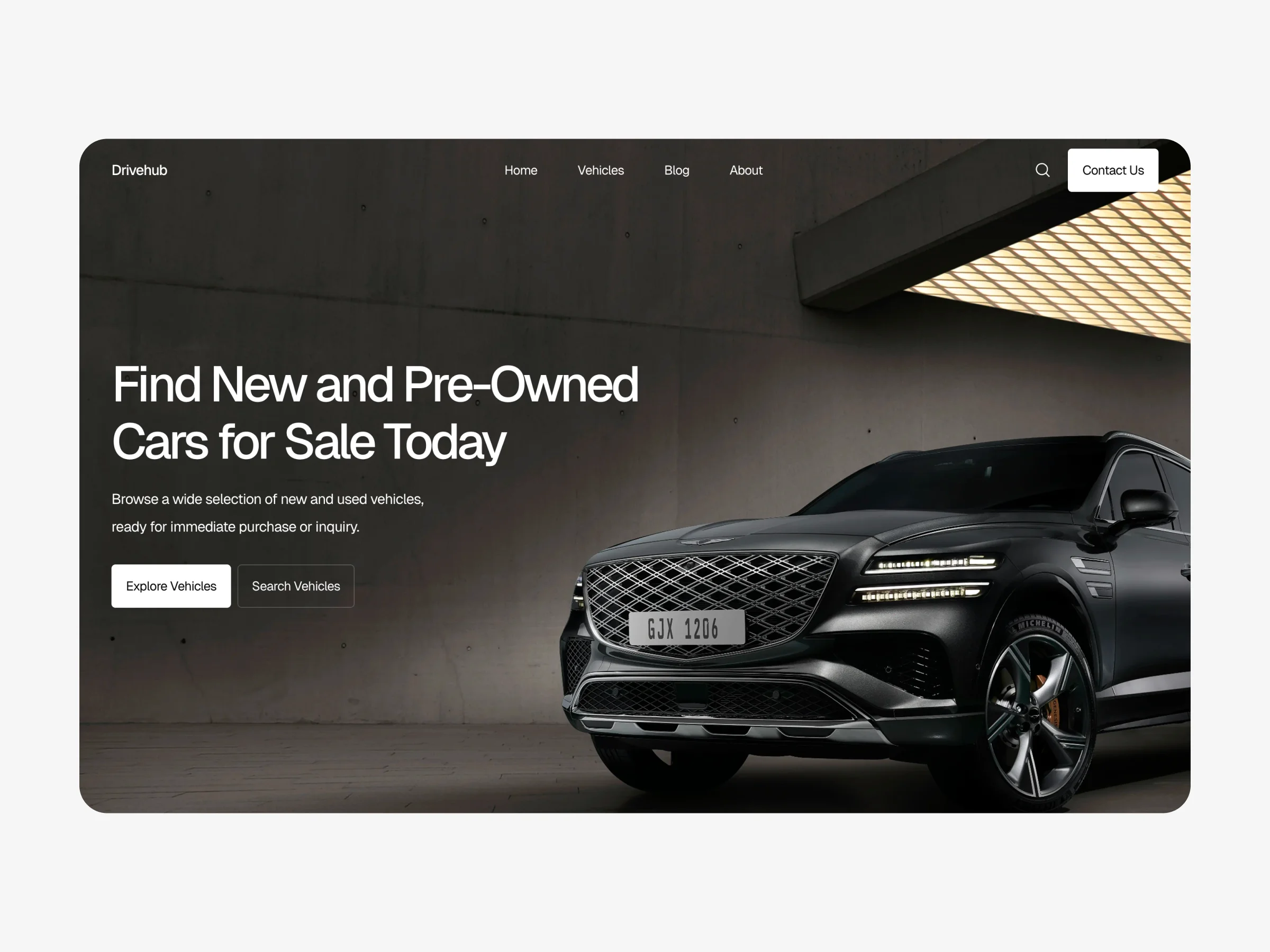

Drivehub car dealership website homepage with structured navigation, clear hero headline, vehicle search options, and featured luxury SUV image

Example of a well structured car dealership website built for SEO: https://drivehub-template.framer.website

Conclusion

Car dealership SEO basics are built on clear structure, strong local signals, optimized inventory pages, technical stability, and visible trust elements.

When your website is organized around how buyers search for vehicles, Google can understand and rank it more effectively. Over time, this clarity leads to higher rankings, consistent traffic, and more qualified inquiries.

If you are planning to improve or rebuild your dealership website, you may also want to read How Much Does a Car Dealership Website Cost? to understand pricing factors and what affects long term performance.

Why rankings matter

Most car buyers begin their search online. They compare models, prices, locations, and reviews before they ever visit a dealership. If your website does not appear when someone searches for “used cars near me” or “SUV for sale in [city]”, you are losing potential buyers at the most important moment.

Higher rankings mean your dealership becomes visible when people are actively looking for vehicles. Unlike paid ads, organic traffic continues to work over time and builds stability. When your website is structured properly and aligned with how customers search, it becomes easier for Google to understand your business and show your pages in relevant results.

Local relevance

Car dealerships serve specific cities or regions, so your website must clearly communicate where you operate. Your homepage, contact page, and inventory categories should naturally mention your city and service area, without forcing keywords into every sentence.

Your address, phone number, and working hours must be consistent across the entire site and match your Google Business Profile. Creating dedicated pages such as “Used Cars in [City]” or “Trucks for Sale in [City]” helps Google connect your business to local searches and increases your chances of appearing in nearby results.

Clear site structure

Google prefers websites that are organized logically and structured around clear topics. Your dealership website should separate inventory categories, brand pages, and service pages instead of placing everything on one large page.

For example, a main “Used Cars” page can link to more specific pages such as “Used BMW”, “Used Toyota SUVs”, or “Used Pickup Trucks”. Service pages like financing, trade in, and warranty should also have their own clear sections with focused content.

When each page has one clear purpose, it becomes easier for Google to evaluate its relevance and for users to navigate without confusion. A structured website improves rankings and increases the likelihood that visitors stay longer and explore more vehicles.

Inventory optimization

Vehicle listing pages are the core of dealership SEO and organic visibility. Each vehicle should have its own dedicated page with a unique title, detailed description, specifications, price, mileage, and high quality images.

Avoid copying generic manufacturer descriptions without editing them. Add short, original explanations that describe the condition, key features, and benefits for buyers. Include internal links to similar vehicles to encourage browsing and keep visitors engaged.

Well optimized inventory pages increase visibility for specific searches such as “2019 Honda Civic for sale in [city]” and attract visitors who are already close to making a decision.

Technical basics

Technical quality supports everything else on your dealership website. Your website must load quickly on both desktop and mobile devices because many buyers search from their phones. Images should be compressed without losing quality, and unnecessary scripts should be removed to keep pages fast and responsive.

Each page needs a clear title and meta description that accurately describe the content and include relevant keywords. Headings should be organized properly so Google can clearly interpret the page structure.

Broken links, duplicate pages, and confusing navigation reduce both user trust and performance in search results. A clean technical foundation ensures that your content can be indexed and ranked correctly.

Trust signals

Online visibility is influenced not only by keywords but also by credibility. Your website should clearly display contact information, financing options, return policies, and customer reviews.

Adding real testimonials and linking to review platforms builds confidence and encourages visitors to take action. An About page that explains your dealership history and experience also strengthens trust.

When users feel secure and informed, they spend more time on the site and are more likely to submit an inquiry, which supports stronger rankings over time.

Content consistency

SEO improves when your website stays active and consistently updated with fresh content. Regularly updating inventory, publishing short buying guides, and answering common customer questions keep your website relevant and useful.

Articles such as “How to Finance a Used Car” or “Best SUVs for Families” can attract additional traffic and connect visitors to your inventory pages through internal links. Consistent updates signal that your dealership is active and professional, which supports long term visibility.

Example structure

Below is an example of a structured car dealership website designed with clear categories, optimized inventory pages, and visible inquiry paths that support higher rankings, stronger local visibility, and better user experience.


Drivehub car dealership website homepage with structured navigation, clear hero headline, vehicle search options, and featured luxury SUV image

Example of a well structured car dealership website built for SEO: https://drivehub-template.framer.website

Conclusion

Car dealership SEO basics are built on clear structure, strong local signals, optimized inventory pages, technical stability, and visible trust elements.

When your website is organized around how buyers search for vehicles, Google can understand and rank it more effectively. Over time, this clarity leads to higher rankings, consistent traffic, and more qualified inquiries.

If you are planning to improve or rebuild your dealership website, you may also want to read How Much Does a Car Dealership Website Cost? to understand pricing factors and what affects long term performance.

Frequently Asked Questions

How long does dealership SEO take to show results?

SEO usually takes several months to show noticeable improvement, but consistent optimization leads to stable long term growth.

Do car dealerships need separate pages for each vehicle?

Yes, each vehicle should have its own dedicated page to rank for specific searches and attract ready to buy customers.

Is local SEO important for car dealerships?

Yes, strong local signals help your dealership appear in nearby searches and attract buyers in your area.

Can a structured website improve rankings?

Yes, a clear and organized site structure helps Google understand your pages and rank them more effectively.