
{ "@context": "https://schema.org", "@type": "FAQPage", "mainEntity": [ { "@type": "Question", "name": "Does website speed really affect dealership leads?", "acceptedAnswer": { "@type": "Answer", "text": "Yes, faster websites keep visitors engaged and increase the likelihood of inquiries." } }, { "@type": "Question", "name": "How fast should a car dealership website load?", "acceptedAnswer": { "@type": "Answer", "text": "Ideally, your pages should load within two to three seconds on mobile devices." } }, { "@type": "Question", "name": "Can slow speed hurt search rankings?", "acceptedAnswer": { "@type": "Answer", "text": "Yes, slow loading times can reduce visibility in search results and lower traffic." } }, { "@type": "Question", "name": "What is the easiest way to improve website speed?", "acceptedAnswer": { "@type": "Answer", "text": "Optimizing images and removing unnecessary scripts are often the fastest ways to improve performance." } } ] }

February 15, 2026

How Fast Websites Affect Car Dealership Leads

How Fast Websites Affect Car Dealership Leads

Website speed directly impacts how many leads a car dealership generates. This article explains how loading time affects user behavior, search rankings, and conversion rates.

Website speed directly impacts how many leads a car dealership generates. This article explains how loading time affects user behavior, search rankings, and conversion rates.

Silver convertible sports car driving on an open highway through a rural landscape during daylight

Why speed matters

Most car buyers search online before visiting a dealership. They open multiple websites, compare vehicles, check prices, and look at reviews within minutes. If your website loads slowly, many visitors leave before seeing your inventory. Every extra second of loading time increases the chance that a potential buyer clicks back and chooses another dealership. Speed is not just a technical detail. It directly affects whether visitors stay long enough to explore vehicles and submit an inquiry.

When a website loads quickly, users feel that the business is modern and reliable. A slow website creates frustration and reduces trust. In a competitive market where buyers compare several dealerships at once, speed becomes a deciding factor that influences where they choose to engage.

Impact on leads

Website speed affects how many leads your dealership generates. When pages load quickly, visitors can browse more vehicles, filter options, and move smoothly from listing pages to contact forms. This natural flow increases the likelihood of inquiries. If the site is slow, users often abandon the session before reaching a vehicle page or submitting a form.

Fast websites reduce friction in the buying process. A buyer searching for a specific model wants immediate access to photos, specifications, and price details. If these elements appear without delay, the visitor stays engaged. Engagement leads to more time on site, more vehicle views, and more completed contact forms. Over time, even small improvements in speed can result in a noticeable increase in monthly leads.

Search visibility

Search rankings are influenced by website performance. Google favors websites that load quickly, especially on mobile devices. Since many buyers search for vehicles from their phones, mobile speed is critical. If your site is slow, it may rank lower in search results compared to faster competitors.

Better performance improves user experience, which supports stronger search visibility over time. When visitors stay longer and interact with your pages, it signals that your content is useful. Fast loading times help maintain these positive signals and support higher rankings for keywords related to your inventory and services.

Mobile experience

Mobile traffic often represents a large portion of dealership website visitors. Buyers search for phrases like “used cars near me” or specific vehicle models while on the go. If your mobile site loads slowly or feels heavy, users leave quickly. A fast mobile experience allows buyers to scroll through inventory, open vehicle pages, and contact your dealership without delays.

Optimizing images, reducing unnecessary scripts, and keeping the design clean are essential steps for maintaining speed. A simple and structured layout loads faster and performs better than a design overloaded with animations or complex elements. Speed on mobile devices directly influences whether a visitor becomes a lead.

Technical factors

Several technical elements influence website speed. Large images that are not optimized can significantly slow down loading times. Excessive scripts, heavy animations, and poorly configured hosting also reduce performance. A dealership website should focus on clean structure, optimized media, and efficient code.

Each vehicle page should load quickly even when it includes multiple images and detailed information. Caching, image compression, and lightweight design choices improve overall performance. Technical stability ensures that visitors can access inventory without interruptions, which supports a smoother path to inquiry.

Example structure

Below is an example of a car dealership website built with performance and structure in mind, allowing fast loading times, clear navigation, and smooth browsing of inventory pages.
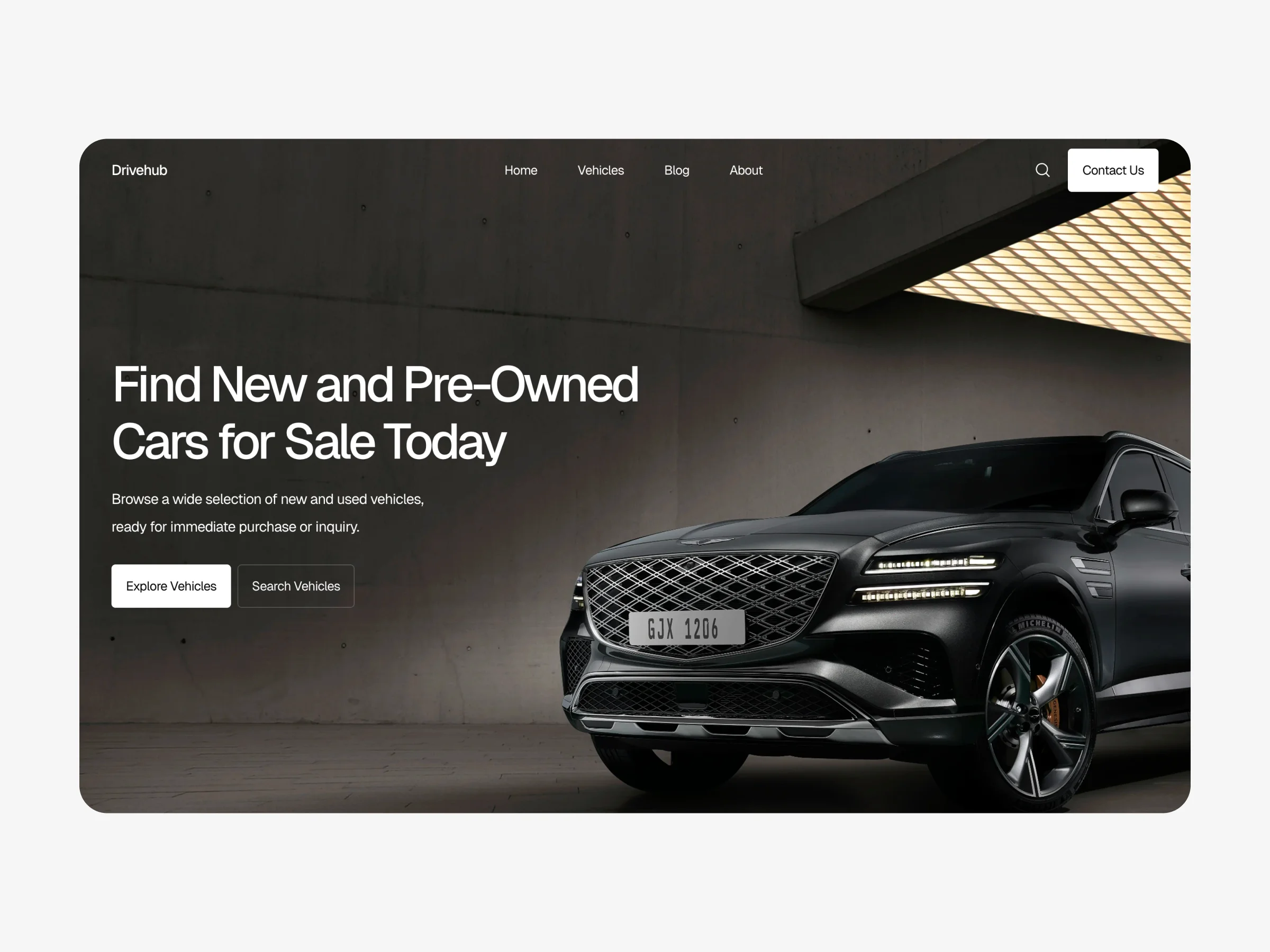

Drivehub car dealership website homepage with fast loading layout, clear navigation menu, vehicle search buttons, and featured sedan image

Example of a structured and fast car dealership website: https://drivehub-template.framer.website

The Drivehub example demonstrates how clean layout, optimized images, and logical page organization create a faster experience that supports higher engagement and more inquiries.

How to test your website speed

Testing your dealership website speed is simple and should be done regularly. You can use tools such as Google PageSpeed Insights, GTmetrix, or Lighthouse to measure loading time and overall performance. These tools show how quickly your homepage and vehicle pages load on both desktop and mobile devices, which is especially important because many buyers search from their phones.

When reviewing results, focus on mobile performance first. A mobile score that is too low often means images are too large, scripts are excessive, or the page layout is too heavy. Pay attention to loading time, image size, and server response time. Even small improvements such as compressing images or removing unnecessary plugins can significantly reduce loading time.
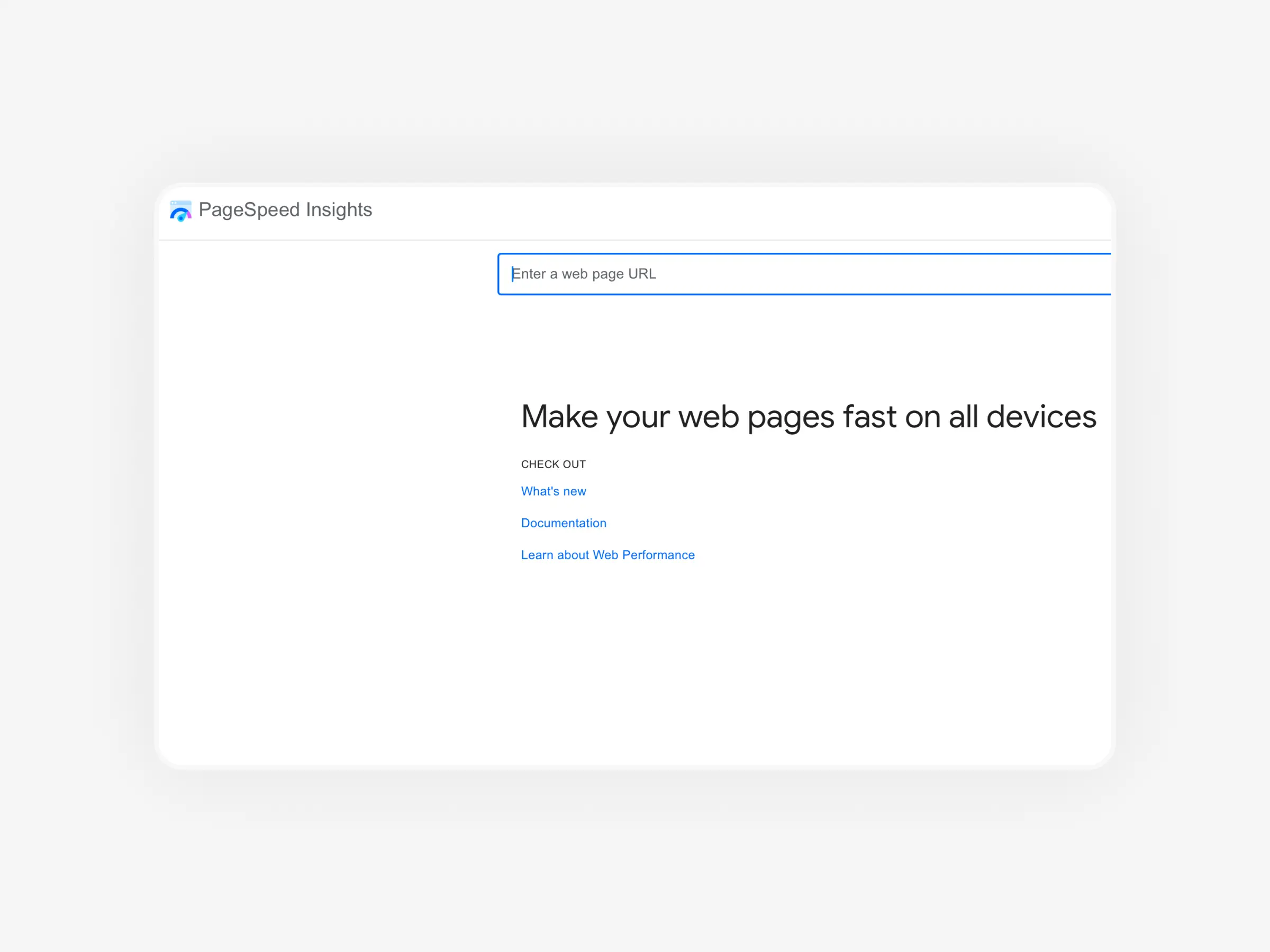

Google PageSpeed Insights interface showing website speed testing and performance analysis tool

Google PageSpeed Insights speed testing tool: https://pagespeed.web.dev/

It is important to test not only the homepage but also inventory listing pages and individual vehicle pages. These are the pages where buyers spend the most time and where inquiries happen. If vehicle pages load slowly, potential customers may leave before viewing details or contacting your dealership.

Conclusion

Website speed directly affects how many leads a car dealership generates. Faster websites keep visitors engaged, improve search visibility, and reduce the number of potential buyers who leave before exploring inventory.

When your website loads quickly and provides a smooth browsing experience, it builds trust and increases the likelihood of inquiries. Over time, performance improvements translate into more consistent traffic and stronger lead generation for your dealership.

To understand how speed fits into a broader visibility strategy, you can also read Car Dealership SEO Basics for Higher Rankings, where we explain how structure, technical quality, and optimization work together to improve search performance and lead generation.

Why speed matters

Most car buyers search online before visiting a dealership. They open multiple websites, compare vehicles, check prices, and look at reviews within minutes. If your website loads slowly, many visitors leave before seeing your inventory. Every extra second of loading time increases the chance that a potential buyer clicks back and chooses another dealership. Speed is not just a technical detail. It directly affects whether visitors stay long enough to explore vehicles and submit an inquiry.

When a website loads quickly, users feel that the business is modern and reliable. A slow website creates frustration and reduces trust. In a competitive market where buyers compare several dealerships at once, speed becomes a deciding factor that influences where they choose to engage.

Impact on leads

Website speed affects how many leads your dealership generates. When pages load quickly, visitors can browse more vehicles, filter options, and move smoothly from listing pages to contact forms. This natural flow increases the likelihood of inquiries. If the site is slow, users often abandon the session before reaching a vehicle page or submitting a form.

Fast websites reduce friction in the buying process. A buyer searching for a specific model wants immediate access to photos, specifications, and price details. If these elements appear without delay, the visitor stays engaged. Engagement leads to more time on site, more vehicle views, and more completed contact forms. Over time, even small improvements in speed can result in a noticeable increase in monthly leads.

Search visibility

Search rankings are influenced by website performance. Google favors websites that load quickly, especially on mobile devices. Since many buyers search for vehicles from their phones, mobile speed is critical. If your site is slow, it may rank lower in search results compared to faster competitors.

Better performance improves user experience, which supports stronger search visibility over time. When visitors stay longer and interact with your pages, it signals that your content is useful. Fast loading times help maintain these positive signals and support higher rankings for keywords related to your inventory and services.

Mobile experience

Mobile traffic often represents a large portion of dealership website visitors. Buyers search for phrases like “used cars near me” or specific vehicle models while on the go. If your mobile site loads slowly or feels heavy, users leave quickly. A fast mobile experience allows buyers to scroll through inventory, open vehicle pages, and contact your dealership without delays.

Optimizing images, reducing unnecessary scripts, and keeping the design clean are essential steps for maintaining speed. A simple and structured layout loads faster and performs better than a design overloaded with animations or complex elements. Speed on mobile devices directly influences whether a visitor becomes a lead.

Technical factors

Several technical elements influence website speed. Large images that are not optimized can significantly slow down loading times. Excessive scripts, heavy animations, and poorly configured hosting also reduce performance. A dealership website should focus on clean structure, optimized media, and efficient code.

Each vehicle page should load quickly even when it includes multiple images and detailed information. Caching, image compression, and lightweight design choices improve overall performance. Technical stability ensures that visitors can access inventory without interruptions, which supports a smoother path to inquiry.

Example structure

Below is an example of a car dealership website built with performance and structure in mind, allowing fast loading times, clear navigation, and smooth browsing of inventory pages.


Drivehub car dealership website homepage with fast loading layout, clear navigation menu, vehicle search buttons, and featured sedan image

Example of a structured and fast car dealership website: https://drivehub-template.framer.website

The Drivehub example demonstrates how clean layout, optimized images, and logical page organization create a faster experience that supports higher engagement and more inquiries.

How to test your website speed

Testing your dealership website speed is simple and should be done regularly. You can use tools such as Google PageSpeed Insights, GTmetrix, or Lighthouse to measure loading time and overall performance. These tools show how quickly your homepage and vehicle pages load on both desktop and mobile devices, which is especially important because many buyers search from their phones.

When reviewing results, focus on mobile performance first. A mobile score that is too low often means images are too large, scripts are excessive, or the page layout is too heavy. Pay attention to loading time, image size, and server response time. Even small improvements such as compressing images or removing unnecessary plugins can significantly reduce loading time.


Google PageSpeed Insights interface showing website speed testing and performance analysis tool

Google PageSpeed Insights speed testing tool: https://pagespeed.web.dev/

It is important to test not only the homepage but also inventory listing pages and individual vehicle pages. These are the pages where buyers spend the most time and where inquiries happen. If vehicle pages load slowly, potential customers may leave before viewing details or contacting your dealership.

Conclusion

Website speed directly affects how many leads a car dealership generates. Faster websites keep visitors engaged, improve search visibility, and reduce the number of potential buyers who leave before exploring inventory.

When your website loads quickly and provides a smooth browsing experience, it builds trust and increases the likelihood of inquiries. Over time, performance improvements translate into more consistent traffic and stronger lead generation for your dealership.

To understand how speed fits into a broader visibility strategy, you can also read Car Dealership SEO Basics for Higher Rankings, where we explain how structure, technical quality, and optimization work together to improve search performance and lead generation.

Frequently Asked Questions

Does website speed really affect dealership leads?

Yes, faster websites keep visitors engaged and increase the likelihood of inquiries.

How fast should a car dealership website load?

Ideally, your pages should load within two to three seconds on mobile devices.

Can slow speed hurt search rankings?

Yes, slow loading times can reduce visibility in search results and lower traffic.

What is the easiest way to improve website speed?

Optimizing images and removing unnecessary scripts are often the fastest ways to improve performance.