Introduction
A restaurant website is more than a digital menu. It is often the final step between a potential guest discovering your restaurant and deciding to reserve a table. When a website is unclear, slow, or difficult to navigate, visitors leave and choose another place. When it is structured properly, it builds confidence and moves users smoothly toward booking.
Increasing reservations online does not depend on complex marketing tactics. It depends on clarity, visibility, and a frictionless booking experience. The way your website is organized directly affects how many visitors convert into guests.
Clear Navigation
Visitors should immediately understand where to click. The main navigation should include visible links to the menu, reservations, location, events, and contact details. If users need to search for booking information, you are losing potential reservations.
A structured layout guides guests step by step. First they explore the atmosphere, then they review the menu, and finally they reserve a table. When navigation is logical and simple, users feel comfortable completing the booking process.
Visible Booking Buttons
Reservation buttons must be easy to find. They should appear in the header and be repeated throughout key sections of the page. If the booking action is hidden at the bottom or placed on a separate page without clear direction, users may abandon the process.
The booking path should require as few steps as possible. Fewer clicks mean fewer chances for visitors to change their minds. Clear calls to action increase completed reservations.
Menu Structure
Your menu plays a central role in booking decisions. Instead of relying only on images or downloadable files, your website should include structured, readable menu sections. Categories such as Starters, Main Courses, Desserts, or Signature Dishes help guests quickly understand what you offer.
When dishes are presented clearly with descriptions, visitors imagine the experience before arrival. This clarity reduces hesitation and increases reservation likelihood.
Visual Experience
In the restaurant industry, visuals strongly influence decision making. Interior design, plating, lighting, and atmosphere all contribute to the perception of quality. However, images must support structure rather than replace it.
Below is an example of a restaurant website that combines strong visuals with organized layout and clear booking flow.
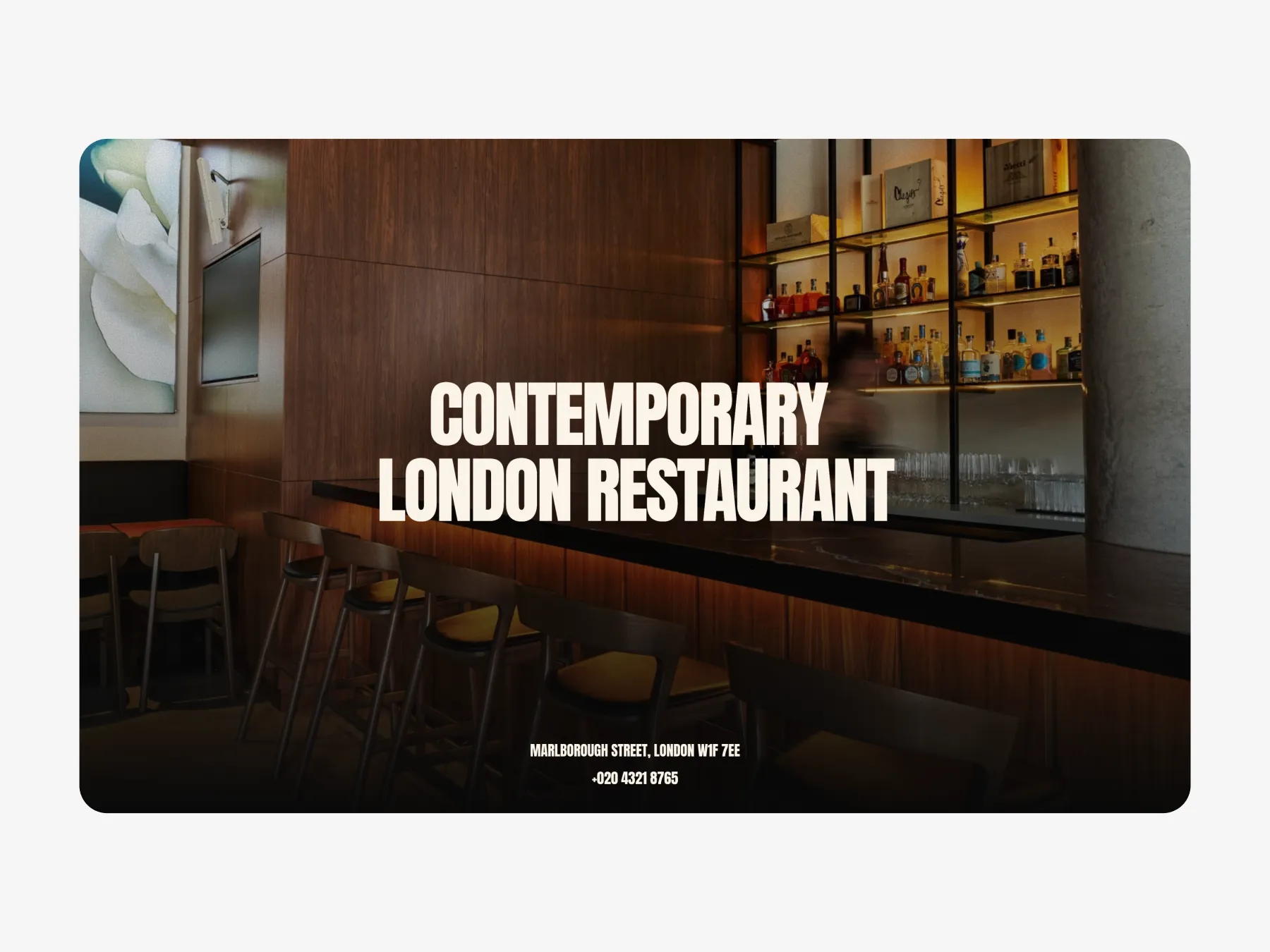
Marlund is an example of how a restaurant website can balance visual atmosphere with clear booking structure. Large imagery introduces the dining experience immediately, while navigation and reservation options remain visible and accessible.
The homepage highlights interior and brand identity first, then guides visitors logically toward the menu and reservation sections. Each block has a defined purpose, which reduces friction and supports conversions.
⭢ Marlund Restaurant Website Template
Speed and Performance
Fast loading speed increases reservations more than most restaurant owners realize. Guests often compare multiple restaurants in a short period of time. If your website loads slowly or feels heavy, they leave before even seeing your menu.
Optimized images, clean layout, and minimal technical distractions create a smoother browsing experience. Speed reduces frustration and keeps users focused on booking.
Trust Signals
Reservations increase when visitors feel confident about your restaurant. Clear address details, opening hours, contact information, and visible reviews build credibility. An About page that explains your concept, team, or story strengthens trust and influences decisions.
When guests feel informed and reassured, they are more likely to complete the booking process and confirm their table without hesitation.
Conclusion
Restaurant websites increase reservations by combining clear navigation, visible booking actions, structured menus, strong visuals, and fast performance. Each element works together to remove friction and guide visitors toward reserving a table.
When your website is built around clarity and logical flow, online traffic turns into confirmed bookings. Over time, this structured foundation becomes a consistent source of reservations and long term growth for your restaurant.
If you want to understand how structure and local optimization support this process at a deeper level, you can also read our guide on Restaurant Website SEO Basics, where we explain how search visibility and page hierarchy directly influence booking volume.