{ "@context": "https://schema.org", "@type": "FAQPage", "mainEntity": [ { "@type": "Question", "name": "What pages are essential for a restaurant website?", "acceptedAnswer": { "@type": "Answer", "text": "A restaurant website should include a homepage, menu page, reservation page, about page, contact page, and events or gallery pages to support visibility and bookings." } }, { "@type": "Question", "name": "Why is a separate reservation page important?", "acceptedAnswer": { "@type": "Answer", "text": "A dedicated reservation page reduces distractions and makes it easier for guests to complete the booking process quickly." } }, { "@type": "Question", "name": "Should a restaurant menu be a PDF or a web page?", "acceptedAnswer": { "@type": "Answer", "text": "A structured web page is better because search engines can read the content and rank individual dishes and categories." } }, { "@type": "Question", "name": "Does page structure affect restaurant reservations?", "acceptedAnswer": { "@type": "Answer", "text": "Yes. Clear page hierarchy and logical navigation reduce friction and increase the likelihood of completed bookings." } } ] }

February 24, 2026

Key Pages for a High Performing Restaurant Website

Key Pages for a High Performing Restaurant Website

Discover the essential pages every restaurant website must include to attract visitors and increase reservations. This guide explains how proper page structure improves visibility and supports table bookings.

Discover the essential pages every restaurant website must include to attract visitors and increase reservations. This guide explains how proper page structure improves visibility and supports table bookings.

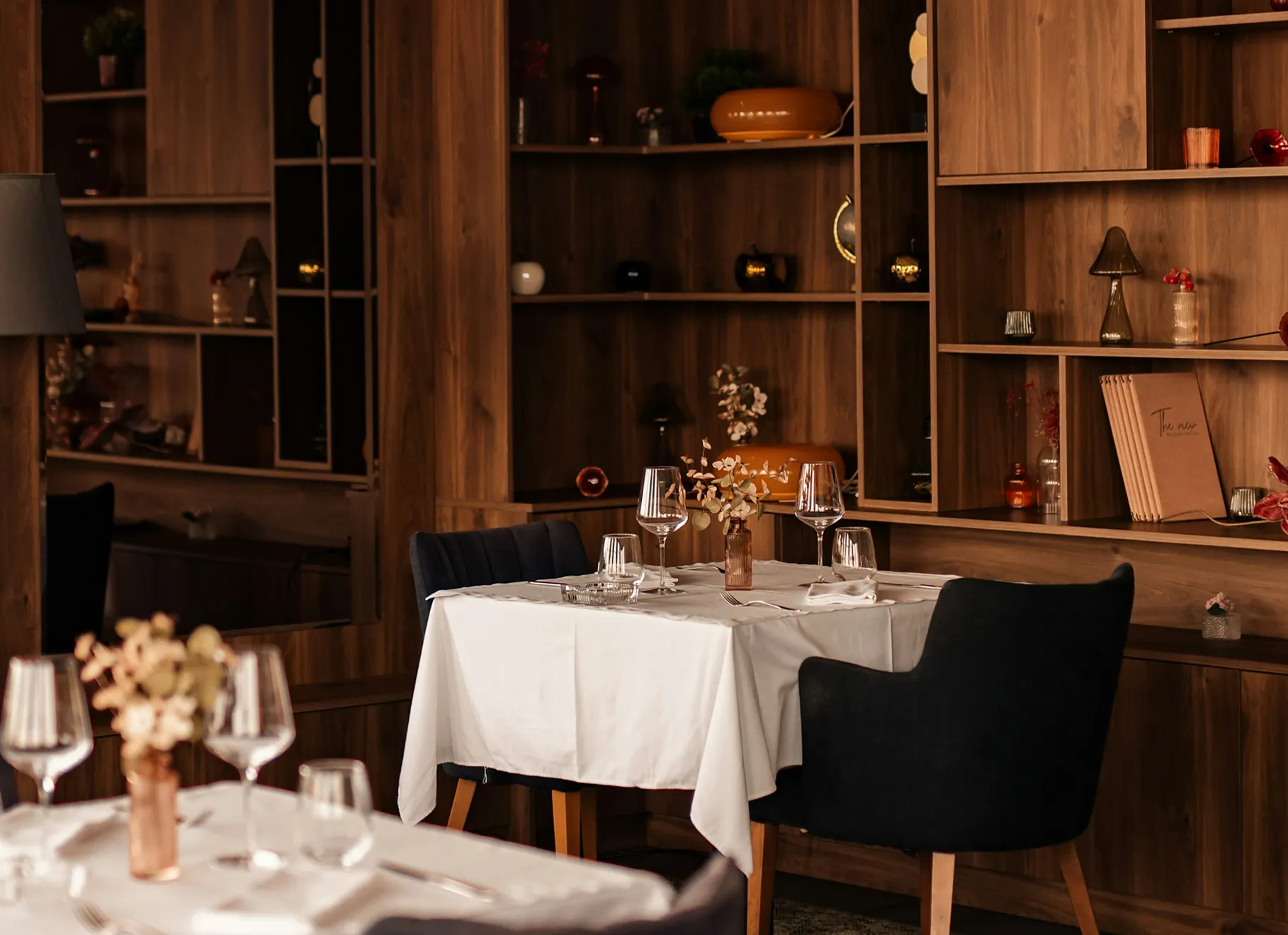
Modern restaurant interior with wooden shelving, elegant table setting, wine glasses, and warm ambient lighting creating an intimate dining atmosphere.

Introduction

A restaurant website should not be a simple visual showcase. It should function as a structured system that guides visitors from discovery to reservation. Many restaurant websites look beautiful but lack essential pages, which makes it difficult for search engines to understand the content and for guests to find what they need. When sections are missing or poorly organized, customers leave and choose another place.

A high performing restaurant website includes pages that serve a clear purpose. Together, these pages improve visibility, build trust, and create a smooth path toward booking a table.

Homepage

The homepage is the main entry point for most visitors. It should immediately communicate your concept, atmosphere, and type of cuisine while providing clear access to the menu and reservation options. Guests often decide within seconds whether they want to continue browsing, so the layout must feel organized and focused.

A strong homepage includes a clear headline, visible reservation button, short introduction, and links to key sections such as Menu, About, and Contact. Instead of placing all content on one long page, the homepage should guide visitors deeper into the website logically.

Menu Page

The menu page is one of the most important assets for both reservations and search visibility. Instead of relying only on a downloadable PDF, your website should include a structured text based menu that search engines can read and index. Categories such as Starters, Main Courses, Desserts, and Signature Dishes help guests understand your offerings quickly.

A well organized menu page allows visitors to browse comfortably and imagine the dining experience. Clear sections and short descriptions reduce hesitation and make it easier for guests to decide whether to book a table.

Reservation Page

A dedicated reservation page simplifies the booking process and reduces friction. While a visible booking button in the header is essential, having a separate page ensures that guests can complete their reservation without distractions.
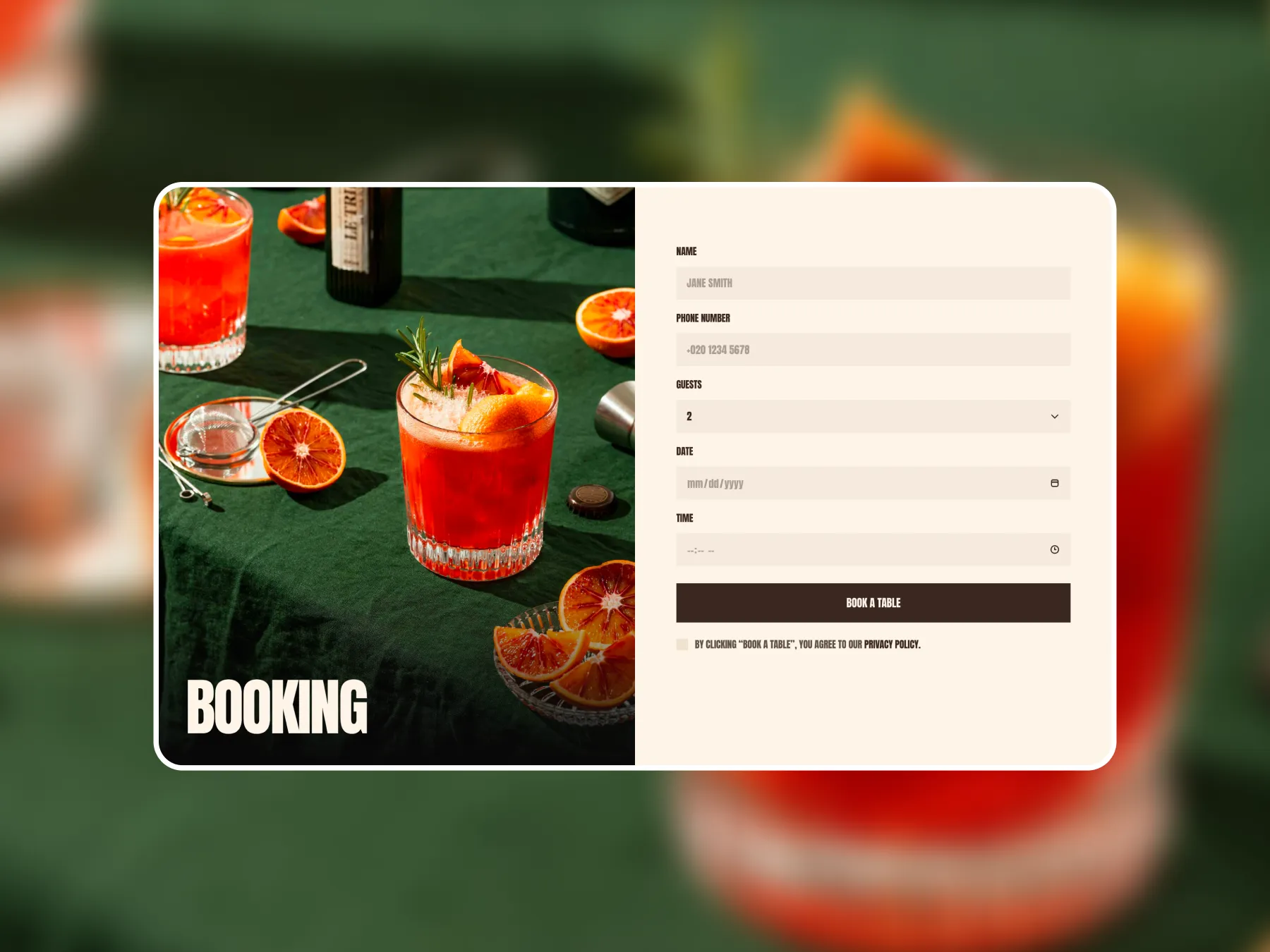
Restaurant reservation page layout with booking form, date and time fields, guest selection, and prominent “Book a Table” button next to cocktail imagery.

Example of a structured reservation page with visible booking form and minimal steps (https://marlund.framer.website)

The form should be simple and require only necessary information such as date, time, number of guests, and contact details. Fewer steps increase the likelihood that visitors complete the process. A clear reservation page directly supports higher booking rates.

About Page

Trust plays a major role in restaurant decisions. The About page introduces your concept and team, helping visitors feel connected to your brand. Explaining your philosophy or culinary background strengthens credibility and influences booking decisions.

This page also supports local relevance by mentioning your location and community involvement. While it may not generate reservations on its own, it reinforces confidence and supports the final decision to book.

Contact Page

The contact page should clearly display your address, phone number, opening hours, and a map. This information must be easy to find and consistent with your local business listings across all platforms and directories. Many guests check hours or directions before reserving, and any confusion can lead to lost bookings.

Clear contact information improves user experience and supports local search visibility. When search engines can easily identify your location and operating details, your restaurant has a stronger chance of appearing in nearby searches.

Events or Private Dining

If your restaurant offers private dining or event hosting, this should have its own dedicated page. Corporate dinners, birthday celebrations, and group events represent a significant revenue opportunity. A structured events page allows you to target specific searches related to private dining in your area.

Providing clear details about capacity, menu options, and booking procedures increases inquiries and positions your restaurant as a versatile venue. This page expands your traffic sources beyond standard reservations.

Gallery Page

Visual presentation is essential in the restaurant industry, but it should be organized properly. A gallery page allows you to showcase interior design, food presentation, and atmosphere without overwhelming other sections of the website.

Images should be optimized for speed and structured in a clean layout. Strong visuals influence perception, but they must work together with clear navigation and booking actions to support reservations effectively.

Example Structure

Below is an example of a restaurant website that includes all essential pages organized in a clear and logical system designed to support reservations and visibility.
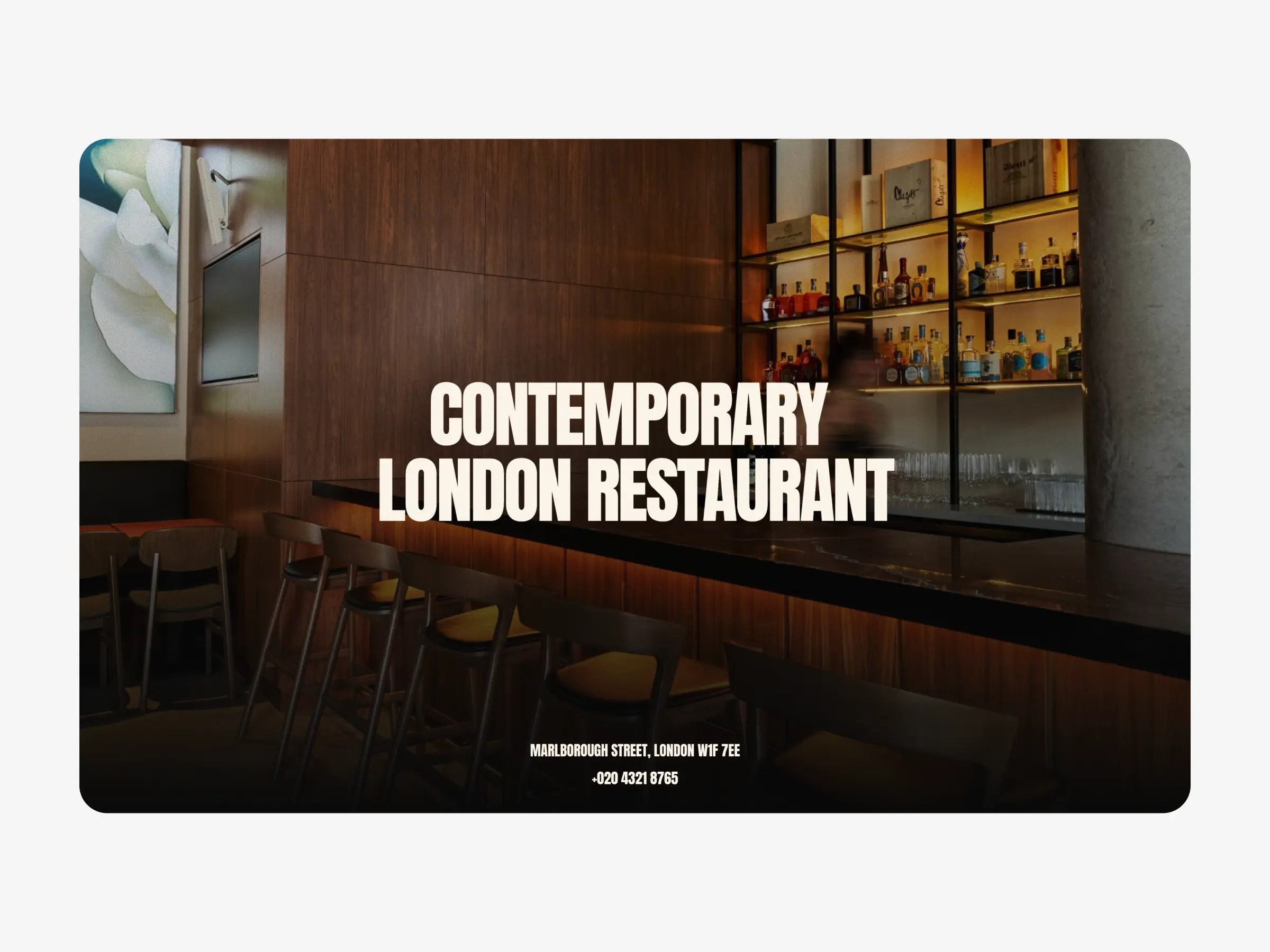
Restaurant website hero section with modern wooden interior, bar seating area, backlit shelves, and large headline text over the dining space.

Restaurant website hero section with modern interior design, bar seating area, and visible reservation button highlighting dining atmosphere.

Marlund demonstrates how homepage, menu, reservation, about, and contact pages work together as a structured system. The visual atmosphere is introduced immediately, while booking options remain visible and accessible throughout the experience.

⭢ Live preview
⭢ Marlund Restaurant Website Template

The layout balances strong imagery with organized sections, ensuring that guests can explore the concept and quickly move toward booking a table.

Conclusion

A high performing restaurant website is built on clearly defined pages that work together as a system. Homepage, menu, reservation, about, contact, events, and gallery pages each play a specific role in guiding visitors from interest to confirmed booking.

When every essential page is structured logically and easy to navigate, search visibility improves and guests feel confident reserving a table. To see how layout and booking flow influence reservations, read How Restaurant Websites Increase Reservations. You can also explore structured restaurant website templates built for performance.

Introduction

A restaurant website should not be a simple visual showcase. It should function as a structured system that guides visitors from discovery to reservation. Many restaurant websites look beautiful but lack essential pages, which makes it difficult for search engines to understand the content and for guests to find what they need. When sections are missing or poorly organized, customers leave and choose another place.

A high performing restaurant website includes pages that serve a clear purpose. Together, these pages improve visibility, build trust, and create a smooth path toward booking a table.

Homepage

The homepage is the main entry point for most visitors. It should immediately communicate your concept, atmosphere, and type of cuisine while providing clear access to the menu and reservation options. Guests often decide within seconds whether they want to continue browsing, so the layout must feel organized and focused.

A strong homepage includes a clear headline, visible reservation button, short introduction, and links to key sections such as Menu, About, and Contact. Instead of placing all content on one long page, the homepage should guide visitors deeper into the website logically.

Menu Page

The menu page is one of the most important assets for both reservations and search visibility. Instead of relying only on a downloadable PDF, your website should include a structured text based menu that search engines can read and index. Categories such as Starters, Main Courses, Desserts, and Signature Dishes help guests understand your offerings quickly.

A well organized menu page allows visitors to browse comfortably and imagine the dining experience. Clear sections and short descriptions reduce hesitation and make it easier for guests to decide whether to book a table.

Reservation Page

A dedicated reservation page simplifies the booking process and reduces friction. While a visible booking button in the header is essential, having a separate page ensures that guests can complete their reservation without distractions.

Restaurant reservation page layout with booking form, date and time fields, guest selection, and prominent “Book a Table” button next to cocktail imagery.

Example of a structured reservation page with visible booking form and minimal steps (https://marlund.framer.website)

The form should be simple and require only necessary information such as date, time, number of guests, and contact details. Fewer steps increase the likelihood that visitors complete the process. A clear reservation page directly supports higher booking rates.

About Page

Trust plays a major role in restaurant decisions. The About page introduces your concept and team, helping visitors feel connected to your brand. Explaining your philosophy or culinary background strengthens credibility and influences booking decisions.

This page also supports local relevance by mentioning your location and community involvement. While it may not generate reservations on its own, it reinforces confidence and supports the final decision to book.

Contact Page

The contact page should clearly display your address, phone number, opening hours, and a map. This information must be easy to find and consistent with your local business listings across all platforms and directories. Many guests check hours or directions before reserving, and any confusion can lead to lost bookings.

Clear contact information improves user experience and supports local search visibility. When search engines can easily identify your location and operating details, your restaurant has a stronger chance of appearing in nearby searches.

Events or Private Dining

If your restaurant offers private dining or event hosting, this should have its own dedicated page. Corporate dinners, birthday celebrations, and group events represent a significant revenue opportunity. A structured events page allows you to target specific searches related to private dining in your area.

Providing clear details about capacity, menu options, and booking procedures increases inquiries and positions your restaurant as a versatile venue. This page expands your traffic sources beyond standard reservations.

Gallery Page

Visual presentation is essential in the restaurant industry, but it should be organized properly. A gallery page allows you to showcase interior design, food presentation, and atmosphere without overwhelming other sections of the website.

Images should be optimized for speed and structured in a clean layout. Strong visuals influence perception, but they must work together with clear navigation and booking actions to support reservations effectively.

Example Structure

Below is an example of a restaurant website that includes all essential pages organized in a clear and logical system designed to support reservations and visibility.

Restaurant website hero section with modern wooden interior, bar seating area, backlit shelves, and large headline text over the dining space.

Restaurant website hero section with modern interior design, bar seating area, and visible reservation button highlighting dining atmosphere.

Marlund demonstrates how homepage, menu, reservation, about, and contact pages work together as a structured system. The visual atmosphere is introduced immediately, while booking options remain visible and accessible throughout the experience.

⭢ Live preview
⭢ Marlund Restaurant Website Template

The layout balances strong imagery with organized sections, ensuring that guests can explore the concept and quickly move toward booking a table.

Conclusion

A high performing restaurant website is built on clearly defined pages that work together as a system. Homepage, menu, reservation, about, contact, events, and gallery pages each play a specific role in guiding visitors from interest to confirmed booking.

When every essential page is structured logically and easy to navigate, search visibility improves and guests feel confident reserving a table. To see how layout and booking flow influence reservations, read How Restaurant Websites Increase Reservations. You can also explore structured restaurant website templates built for performance.

Frequently Asked Questions

What pages are essential for a restaurant website?

A restaurant website should include a homepage, menu page, reservation page, about page, contact page, and events or gallery pages to support visibility and bookings.

Why is a separate reservation page important?

A dedicated reservation page reduces distractions and makes it easier for guests to complete the booking process quickly.

Should a restaurant menu be a PDF or a web page?

A structured web page is better because search engines can read the content and rank individual dishes and categories.

Does page structure affect restaurant reservations?

Yes. Clear page hierarchy and logical navigation reduce friction and increase the likelihood of completed bookings.